Dodge Charger Battery Keeps Dying Overnight: Hidden Causes Explained (2026 Update)
You walk out to your Dodge Charger on a cool morning, turn the key, and hear nothing but a sad clicking sound — or worse, total silence.
TL;DR:
A Dodge Charger battery dying overnight usually means one of three things: a “parasitic draw” (something electrical stays on and drains power), a bad battery that won’t hold a charge, or a failing alternator that isn’t recharging while you drive. Newer Chargers (especially 2024-2025 models) can have software issues with proximity sensors that wake up the car repeatedly. The fix starts with a simple multimeter test to measure power draw — anything above 50-75 milliamps means trouble .
Key Takeaways:
- Normal power draw when parked should be under 50-75 milliamps .
- Proximity sensors on 2024+ Chargers can wake the car up hundreds of times overnight .
- A bad battery sensor (common on 2015-2020 models) tricks the car into undercharging .
- Aftermarket accessories like dash cams or remote starters are frequent culprits.
- Don’t ignore corrosion — clean battery terminals first before anything else .
“I Just Bought a New Battery — Why Is It Dead Again?”
Here’s what frustrates Charger owners the most. You spend $200+ on a brand new battery. A week later? Dead again. The mechanic said your alternator was fine. So what gives?
The answer is almost always parasitic draw . Think of it like a faucet dripping all night. One drip doesn’t matter, but eight hours of dripping fills a bucket. Your battery works the same way.
A normal Charger uses about 0.035 amps (35 milliamps) when parked . That’s nothing. But if something stays on — a glove box light, a stuck relay, a faulty module — that number can jump to 2.5 amps or more . At 2.5 amps, a healthy battery drains completely in about 20 hours.
The Proximity Sensor Nightmare (2024-2025 Dodge Charger Owners, Read This)
Here’s something dealerships don’t always tell you. Newer Chargers have “proximity wake-up” features that detect your key fob nearby and prepare the car to start .
Sounds convenient, right? Except on some 2024-2025 models, this system doesn’t shut off properly. One owner reported: “I charged the car to 80% at 2 AM, verified everything worked. At 6:55 AM, the entire system was dead” .
The fix? Disable proximity wake-up in your settings menu. Owners who turned this off saw immediate improvement .
“Bingo! Proximity wake up! Turn it off! It drains the 12v battery VIOLENTLY.” — Dodge Charger forum member
How Charger Battery Drain Issues Have Evolved
Let’s look at how this problem changed across generations:
- 2006-2010 (LX Platform) – Faulty TIPM (Totally Integrated Power Module) causes parasitic draw. Fuel pump relays stick “on.”
- 2011-2014 (LD Refresh) – Infotainment modules don’t sleep properly. Uconnect system stays active.
- 2015-2020 – Battery sensor failures become common. Car undercharges a good battery .
- 2021-2023 – Mostly stable. But aftermarket dash cams cause new drain issues.
- 2024-Present (New Generation) – Proximity sensor software bug drains 12V batteries overnight. Engineering is “working on a fix” .
“The Dodge Charger remains one of the last full-size muscle sedans available today — but all that electronic complexity comes with a price.”
How to Find the Hidden Drain in Your Charger (No Mechanic Required)
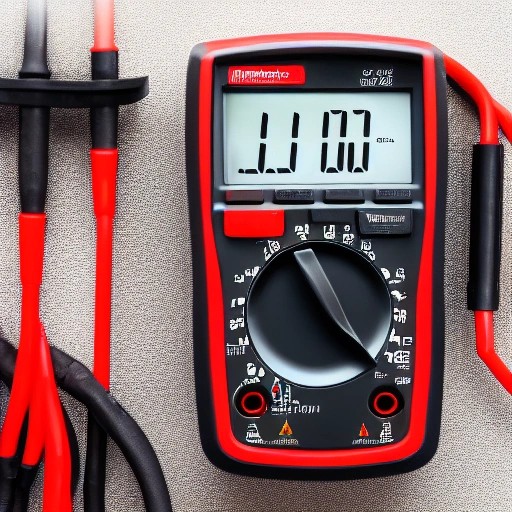
You can do this with a $20 multimeter from any auto parts store. Here’s the step-by-step:
What You’ll Need:
- Digital multimeter (set to DC Amps)
- 10mm wrench (for battery cable)
- About 20 minutes of patience
The Process:
Step 1: Make sure everything is off. Keys out of ignition. Doors closed. Trunk closed. Hood latched (but you’ll need access, so flip the hood latch manually) .
Step 2: Disconnect the negative battery cable (black one).
Step 3: Connect your multimeter in series — red lead to the negative battery cable, black lead to the negative battery post .
Step 4: Wait 10-15 minutes. The computer modules need time to “go to sleep.” If you don’t wait, you’ll get a false high reading .
Step 5: Read the display. Normal is 0.050 amps (50 milliamps) or less . Some sources say up to 0.085 amps (85 mA) is acceptable on heavily-optioned cars .
If you see 0.100 amps or higher? You found the problem. Now you need to find WHAT is causing it.
The Fuse Pull Test — Finding the Exact Culprit
Once you confirm a high draw (anything above 0.075 amps), leave the multimeter connected and start pulling fuses one at a time .
Watch the meter. When the number drops back to normal — that circuit is your problem.
Most common fuse culprits in Dodge Chargers:
| Fuse Location | Common Culprit | Why It Happens |
|---|---|---|
| Interior fuse box (driver side) | Radio / Uconnect | Module doesn’t sleep after shutoff |
| Under-hood fuse box (PDC) | Fuel pump relay | Relay sticks closed, pump runs constantly |
| Interior fuse box | Power seats | Seat track sensor fault keeps module awake |
| Trunk fuse panel | Amplifier | Aftermarket or factory amp stays on |
| Under-hood | BCM (Body Control Module) | Faulty door latch sensor tells car door is open |
Bold safety reminder: Always replace fuses with the correct amperage. Never use foil or a higher-rated fuse to “fix” a blown one.
The Battery Sensor — A Hidden Failure on 2015-2020 Chargers
Here’s a sneaky one. The Intelligent Battery Sensor (IBS) sits on your negative battery terminal. It tells the alternator how much to charge .
When this sensor fails, your alternator might only charge at 50% capacity. You drive around thinking everything is fine, but the battery never gets fully topped off. Park overnight? Dead by morning.
How to spot it: A faulty sensor often triggers warning lights on the dash, flickering lights, or slow cranking even with a new battery . Replacement cost runs about $300-350 at a shop .
Battery Drain Causes by Dodge Charger Generation
| Model Years | Most Common Drain | Difficulty to Fix | DIY Possible? |
|---|---|---|---|
| 2006-2010 | TIPM / Fuel pump relay failure | Moderate | Relay replacement yes; TIPM no |
| 2011-2014 | Uconnect module not sleeping | Easy | Fuse pull test; dealer flash may help |
| 2015-2020 | Battery sensor (IBS) failure | Easy | Replace sensor ($50 part) |
| 2021-2023 | Aftermarket accessories | Easy | Unplug devices; check install |
| 2024-2025 | Proximity sensor software | Easy | Turn off in settings menu |
5 Quick Checks Before You Spend Any Money
Do these first. Seriously. I’ve seen owners replace batteries three times before trying #1.
1. Clean your battery terminals.
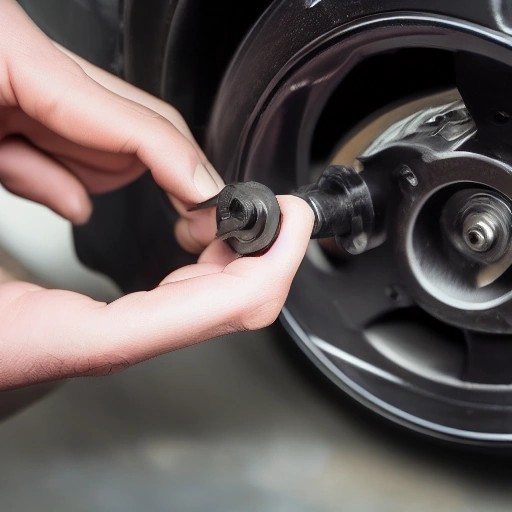
Corrosion looks like blue-green crusty stuff. It acts like a resistor, blocking proper charging. A wire brush and five minutes fix this .
2. Check your glove box light.
Close the glove box, then peek through the crack. Can you see light? That tiny bulb drains a battery in two days .
3. Unplug your dash cam.
Many dash cams have “parking mode” that stays on. On a Charger’s small battery, this can kill it overnight.
4. Test your alternator for free.
AutoZone, Advance Auto, and O’Reilly test alternators while still on the car. Takes two minutes. No appointment needed .
5. Try the “negative cable disconnect” trick.
Unhook the negative battery cable when you park overnight. Hook it back up in the morning. If the car starts fine — you 100% have a parasitic draw, not a bad battery .
Wait, Is It Just a Bad Battery?
Sometimes it really is that simple. Car batteries last 3-5 years on average. If yours is older than that, replace it before chasing electrical gremlins .
Signs of a truly dead battery (not a drain):
- Battery is 4+ years old
- You see swelling or bulging on the battery case
- It fails a load test at the parts store
- The car starts fine with a jump but dies again while driving (alternator problem)
One owner learned the hard way: “I changed the battery, still had drain. Unhooked negative cable — still drained. That meant the NEW battery was bad too” . It happens. Even new batteries can be defective.
Frequently Asked Questions
How do I know if it’s the battery or a parasitic draw?
Charge the battery fully, then disconnect the negative cable overnight. If it starts fine when reconnected, you have a draw. If it’s dead anyway, the battery is bad .
Can a bad alternator drain my battery overnight?
No. A bad alternator fails to charge while driving. It doesn’t “drain” a parked car. If your battery dies overnight, look elsewhere first .
What’s a normal parasitic draw reading for a Dodge Charger?
Most sources say 50 milliamps (0.050A) or less. Some say up to 85 milliamps (0.085A) for cars with many electronics .
My 2025 Charger EV keeps dying — isn’t that electric?
Yes, but EVs still have a traditional 12V battery for lights, screens, and door locks. The proximity sensor bug affects EV models too. Turn off proximity wake-up .
How much does a battery sensor replacement cost?
Around $300-350 at an independent shop. The part itself is about $50-80 .
Can extreme cold weather cause overnight drain?
Cold slows chemical reactions inside batteries. A weak battery that works fine at 70°F can die at 20°F. But a healthy battery handles cold without issue.
Will disconnecting the battery reset my Charger’s computer?
Yes — and that’s actually useful. Disconnect both terminals for 30 minutes to reset modules. This fixed some owners’ drain issues temporarily . If it comes back, you still have a underlying problem.
References
References:
- YourMechanic – Battery Drain Diagnostic Steps
- Dodge Charger Daytona Owners Forum – Proximity Sensor Drain (2025)
- 2CarPros – Parasitic Draw Test Guide (2006 Charger)
- Drivetrain Resource – Complete Battery Drain Diagnosis
- Carly – Battery Sensor Failure (2018 Charger)
Has your Dodge Charger ever left you stranded with a dead battery? Drop the year and what caused it in the comments — other owners need to know what to look for.