
Dodge Charger ABS Warning Light On? Here’s How to Fix It & Keep Your Muscle Car’s Stopping Power Strong (HEMI, SRT, AWD, and EV Models)
The deep rumble of a Dodge Charger as you press the throttle reminds you why muscle cars still rule the road—but when that amber ABS light pops up on your dash, it can kill the thrill faster than a sudden rainstorm at a drag strip.
TL;DR
The ABS warning light on your Dodge Charger usually means there’s a problem with the anti-lock braking system. Common causes include a bad wheel speed sensor, low brake fluid, a faulty ABS module, or a dirty tone ring. You can try quick fixes like checking your brake fluid level or cleaning the sensors, but often you’ll need a mechanic with a scan tool to find the exact issue. Driving without ABS is possible, but not safe—especially in wet or slick conditions. Fixing it quickly keeps your Charger’s legendary stopping power ready for action.
Key Takeaways
- The ABS light often comes on because of a failing wheel speed sensor—the most common issue on Chargers.
- Low brake fluid can trigger the ABS light, so always check that first.
- A dirty or broken tone ring (the toothed ring near the wheel hub) can confuse the system.
- Driving with an ABS light on means your brakes still work normally, but you lose the anti-lock feature in a panic stop.
- Quick fixes: clean sensors, top off brake fluid, or disconnect the battery for 10 minutes to reset the system.
- For HEMI® V8, SRT, AWD, and even new EV Charger models, the ABS system works similarly, but sensor locations may vary.
The Evolution of Dodge Muscle, Performance, and Modern Technology
You don’t buy a Dodge Charger just to get from point A to point B. You buy it for that guttural roar, the sudden push of torque that plants you in your seat, and the way it turns a boring highway into your personal speed stage. But here’s the thing about modern muscle: it’s not just about raw horsepower anymore. The Charger packs some serious tech under that aggressive body—including a very smart ABS system that keeps you safe when you have to brake hard from triple-digit speeds.
The Dodge Charger remains one of the last full-size muscle sedans available today, blending four-door practicality with two-door attitude.
When that ABS warning light glows amber on your instrument cluster, it’s the car’s way of saying, “Hey, I can’t protect you fully in an emergency stop.” For owners of HEMI® V8 models (the legendary 5.7L, 6.4L, or supercharged 6.2L Hellcat), SRT Performance trims, AWD versions, or even the new Dodge Charger EV (Daytona), the fix is often simpler than you think.
Dodge HEMI® V8 and SRT Performance vs. Modern Turbo and Electric Powertrains
Let’s clear something up: the ABS system doesn’t care if you have a V6, a supercharged V8, or an electric motor. The job is always the same—prevent your wheels from locking up when you slam the brakes. But on a Dodge Charger, the way that system feels can change based on your model.
On a HEMI® V8 Charger, you have more weight over the front axle, which means more stress on the front ABS sensors over time. On an SRT model with Launch Control, the ABS system actually works with the traction control to give you perfect takeoffs. And on the new EV Charger models, regenerative braking adds another layer of complexity—but the ABS light still means the same thing: something’s wrong with the wheel speed detection.
| Dodge Model | Vehicle Type | Powertrain | Key Features | Starting Price (MSRP) |
|---|---|---|---|---|
| Dodge Charger SXT | Sedan | 3.6L Pentastar V6 | RWD, 8-speed auto, Uconnect 7″ screen | $34,000 |
| Dodge Charger GT | Sedan | 3.6L V6 | AWD available, sport suspension, 19″ wheels | $38,000 |
| Dodge Charger R/T | Sedan | 5.7L HEMI® V8 | Active exhaust, performance steering, Launch Control | $44,000 |
| Dodge Charger Scat Pack | Sedan | 6.4L HEMI® V8 (SRT-tuned) | 485 hp, Brembo brakes, adaptive suspension | $52,000 |
| Dodge Charger SRT Hellcat | Sedan | 6.2L Supercharged HEMI® V8 | 707+ hp, widebody, 200 mph top speed | $78,000 |
| Dodge Charger Daytona EV | Sedan (electric) | All-electric (400V or 800V) | Fratzonic exhaust sound, AWD, 0-60 in 3.3 sec | $60,000 (est.) |
Common Reasons Your Dodge Charger’s ABS Light Is On
Alright, let’s get into the real-world reasons that amber light is staring at you. Always use performance features responsibly and follow local driving laws. But when that light comes on, here’s what’s usually going on.
1. Bad Wheel Speed Sensor (Most Common)
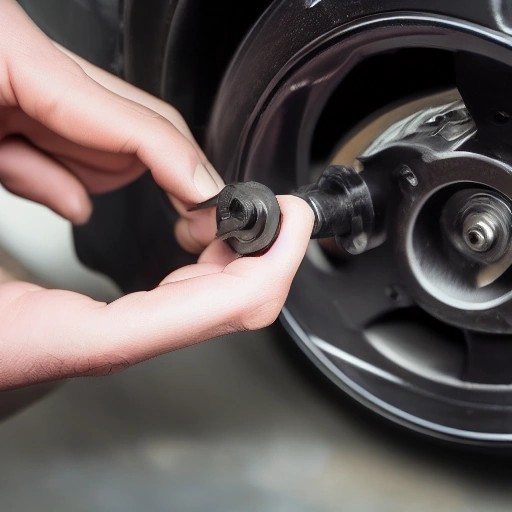
This is the number one culprit. Every wheel on your Charger has a small sensor that reads how fast that wheel is spinning. If one sensor gets dirty, damaged, or just dies, the ABS computer gets confused. It turns on the light and disables the system.
Quick fix: Sometimes you can clean the sensor if it’s just covered in brake dust or road grime. But most of the time, you’ll need to replace it. A new sensor costs about $20–$60, and a shop might charge an hour of labor.
2. Low Brake Fluid
Your brake fluid does double duty. It makes your brakes work, and it helps the ABS system function. If the fluid is low, a sensor in the master cylinder triggers the ABS light.
Quick fix: Pop the hood and check the brake fluid reservoir. If it’s below the “min” line, top it off with the fluid type listed on the cap (usually DOT 3 or DOT 4). But low fluid usually means you have a leak or worn brake pads—so don’t just fill and forget.
3. Dirty or Damaged Tone Ring
The tone ring (also called a reluctor ring) is a metal ring with teeth that spins with your wheel. The ABS sensor reads those teeth to measure speed. If the ring is cracked, missing teeth, or caked with rust and dirt, the sensor can’t get a clean reading.
Quick fix: You can try cleaning it with a wire brush if you can see it behind the wheel. But if it’s cracked or rusted badly, you’ll need to replace the ring or sometimes the whole wheel hub assembly.
4. Failing ABS Module
The ABS module is the brain of the system. When it fails, you usually get multiple warning lights (ABS, traction control, and sometimes brake light all at once). This is less common on Chargers but happens, especially on older models with high mileage.
Quick fix: There isn’t one. A mechanic needs to diagnose it. Sometimes the module can be rebuilt ($150–$300), or replaced ($500–$1,000+). Ouch, but it beats crashing.
5. Blown Fuse or Wiring Issue
Dodge Chargers have dedicated fuses for the ABS system. A simple blown fuse can kill the whole thing. Also, rodents love chewing on the soft wiring near the wheel wells—yes, really.
Quick fix: Check your owner’s manual for the ABS fuse location. Swap it with a same-amp fuse from another slot (like your radio) to see if it fixes it. If the new fuse blows right away, you have a short somewhere.
From Daily Commutes to Drag Strips: How ABS Feels in Real Life
Imagine this: You’re driving your Dodge Charger SRT on a damp morning. A minivan cuts you off. You stomp the brake pedal. With ABS working, you feel a rapid pulsing in the pedal, and the car stops in a straight line without skidding. Without ABS? The wheels lock, you slide, and you hope for the best.
That’s why this light matters. It’s not about your daily cruise to work—it’s about that one panic stop you hope never happens.
“Dodge continues to define American muscle by blending raw power, modern technology, and bold design into every vehicle. But even 707 horsepower means nothing if you can’t stop safely.” – Veteran Dodge Technician
Quick Troubleshooting Steps You Can Do Today
You don’t need to be a mechanic to try these things:
- Check your brake fluid – Takes two minutes. If it’s low, top it off and see if the light goes away after a few key cycles.
- Inspect the fuses – Pull the ABS fuse. If it’s black or has a broken metal strip inside, replace it.
- Disconnect the battery – Remove the negative terminal for 10 minutes. This resets the car’s computers. Sometimes a weird voltage glitch triggers the light for no real reason.
- Look for obvious damage – Crawl under and check the wiring near each wheel. Look for cuts, melting, or chewed insulation.
- Get a free scan – Most auto parts stores (AutoZone, O’Reilly, Advance) will read your ABS codes for free. Write down the code (like C0035 or C101F) and Google it for your Charger model.
Why Modern Muscle Needs Advanced Braking
Here’s a quick look at how Dodge horsepower has grown—and why stopping power had to keep up.
Frequently Asked Questions (FAQ)
1. Can I still drive my Dodge Charger with the ABS light on?
Yes, but carefully. Your regular brakes still work, but in a panic stop, the wheels could lock up and make you slide. Fix it as soon as you can.
2. How much does it cost to fix an ABS light on a Charger?
It depends. A wheel speed sensor costs $100–$250 total with labor. An ABS module can run $500–$1,200. A free fuse or fluid top-off costs nothing.
3. Will disconnecting the battery reset the ABS light?
Sometimes yes, for minor glitches. But if the problem is real (like a broken sensor), the light will come back within a few miles.
4. Is the ABS light the same as the brake light?
No. The brake light (usually red) means a problem with your main braking system—low fluid, worn pads, or no pressure. That’s urgent. The ABS light (amber) means only the anti-lock feature is off.
5. Do AWD Chargers have different ABS issues than RWD models?
Not really, but AWD models have more sensors and wiring near the front axles, so slightly more chances for damage from road salt or debris.
6. What about the new Dodge Charger EV – does it have ABS?
Yes, all EVs have ABS. It works with the regenerative braking system. The causes are the same: wheel speed sensors, module issues, or low brake fluid.
7. Can a bad battery cause the ABS light to come on?
Yes – a weak or dying battery can cause all kinds of warning lights on modern Dodges, including ABS. If your Charger cranks slow or does weird electrical things, test the battery first.
Final Word: Don’t Ignore the Light
Look, I get it. Warning lights are annoying. But that amber ABS light on your Dodge Charger isn’t trying to ruin your day—it’s trying to keep you safe when you need to stop fast. Whether you’re driving a HEMI® V8 beast, a practical AWD daily, or the new electric Daytona, the fix is usually simple and affordable.
Here’s a pro tip: If you clean your wheel speed sensors once a year when you swap your tires, you can avoid 70% of ABS problems.
Now get that scanner out, check those fuses, and get your Charger back to 100% stopping power. Because muscle cars are made to go fast—but a real driver knows when to stop.
References:
- Official Dodge Charger Product Page
- Stellantis Braking System Documentation
- Car and Driver – Dodge Charger Reviews & Specs
- Allpar Forums – Dodge Charger ABS Common Fixes
Which Dodge model best represents true American muscle to you? Share your thoughts in the comments below.


