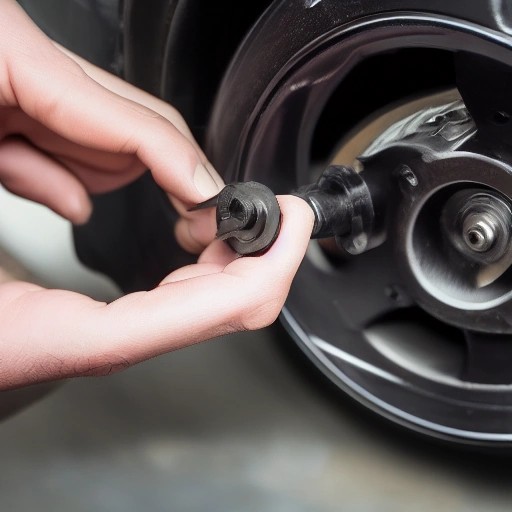
Dodge TPMS Sensor Problems: Why the Tire Pressure Light Won’t Turn Off
You’ve checked and filled all four tires to the correct pressure, but that persistent yellow light on your dash just won’t go away. It’s a small annoyance that can feel huge, especially when you know everything is fine.
TL;DR
When your Dodge’s tire pressure light won’t turn off, the problem usually falls into two categories. A solid light means a tire is still low or needs a reset. But a flashing light that blinks for about 60-75 seconds before staying solid is a system fault—it means the TPMS itself has a problem . This is most often caused by a dead sensor battery (which last 5-7 years), a bad sensor, interference from electronics, or using a spare tire that doesn’t have a sensor . Your Dodge has an auto-relearn procedure; simply driving over 15-20 mph for up to 20 minutes usually fixes the connection .
Solid Light vs. Flashing Light: What It’s Telling You
The first step to fixing the problem is knowing what the light is actually saying.
The Light is Solid
A solid warning light is the simpler problem. It almost always means the system has detected that one or more of your tires is underinflated . The fix is straightforward: inflate all tires to the pressure listed on the placard on your driver’s side door jamb. The light should turn off on its own after you drive for a short time .
The Light is Flashing
A flashing light that blinks for about 60-75 seconds and then stays solid is a system fault warning . This means there’s a problem with the Tire Pressure Monitoring System itself, not just low pressure. Here are the most common causes:
- Dead Sensor Battery: TPMS sensors have internal batteries that last about 5 to 7 years. When a battery dies, the sensor stops communicating .
- Sensor Damage: Sensors can be damaged by potholes or other impacts . They are also very easy to damage when a tire is being removed or installed. A tire technician needs to keep the bead breaker and tire tools away from the valve stem area .
- Aftermarket Equipment Interference: Electronics like aftermarket programmers or even some types of window tint can emit radio frequencies that jam the TPMS signal .
- The Spare Tire: If your Dodge has a full-size spare, it might have its own sensor. If you’re using a spare without a sensor, the system will trigger a fault .
- Using a Sensor with the Wrong Frequency: Most Dodges use a 433 MHz sensor, but a 315 MHz sensor will look identical. Using the wrong one will prevent the system from working .
The Relearn Procedure: How to Fix It
Dodge vehicles have an auto-relearn procedure. This means you don’t need a special tool to reset the light after fixing the problem.
- For a Solid Light (After Adding Air): Simply drive the car. The system will usually register the new pressure and turn the light off after driving at speeds above 15-20 mph for a few minutes .
- For a Flashing Light (After Replacing a Sensor): If you’ve just replaced a sensor, the vehicle needs to learn the new sensor’s unique ID code. The best way to do this is to drive the vehicle for a minimum of 20 minutes at a consistent speed above 15 mph . This will naturally complete the relearn process. The key is to let the car sit for at least 20 minutes before you go for this drive .
FAQ: Troubleshooting Your Dodge TPMS
Why is my TPMS light flashing, then staying solid on my Dodge?
A flashing light indicates a system fault, not low tire pressure. The most likely causes are a dead sensor battery, a damaged sensor, or electronic interference .
How long do Dodge TPMS sensors last?
The internal batteries in the sensors typically last about 5 to 7 years, after which they need to be replaced .
What is the relearn procedure for a Dodge?
Dodge uses an auto-relearn procedure. You can usually fix it by driving the car for at least 20 minutes at speeds above 15 mph. The system will automatically learn the new sensor IDs .
Can aftermarket parts cause my TPMS light to come on?
Yes. Some aftermarket window tinting, electronics, or even driving near facilities that emit the same radio frequency can jam the TPMS signal, causing a fault .
Why does my spare tire affect the TPMS?
If your Dodge is equipped with a full-size spare that includes a TPMS sensor, you need to ensure it is properly inflated. Additionally, if the spare tire is used without a TPMS sensor, it will trigger a system fault .
Sources and Official Resources:
- Mitchell1: Dodge TPMS Tip
- 2026 Dodge Durango Owner’s Manual
- ATEQ-TPMS: Dodge Challenger TPMS Info
- Kelley Blue Book: TPMS Sensor Replacement
Have you been chasing a stubborn tire pressure light on your Dodge? What finally fixed it—a long drive, a new sensor, or something else? Share your experience in the comments!