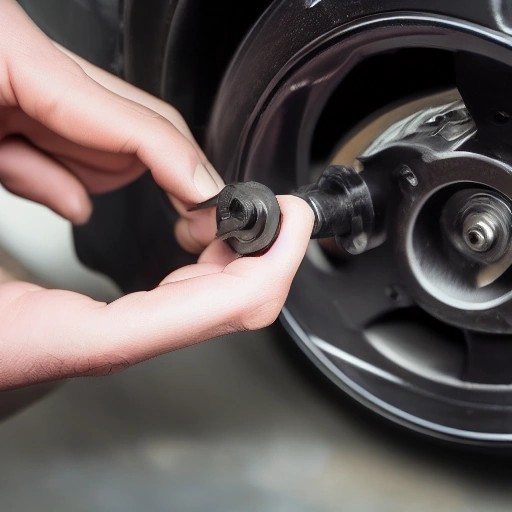
How to Check Dodge Suspension Bushings for Wear at Home
The Clunk You Feel Over Bumps? Here’s How to Check Your Dodge’s Suspension Bushings at Home Before They Ruin That HEMI® V8 Ride
Introduction
You feel every crack in the pavement when you drive your Dodge Charger — that tight, planted feel is what makes American muscle so addictive — but when the suspension starts knocking or wandering, worn bushings are usually the culprit, and you can check them yourself in 20 minutes with no special tools.
TL;DR
Suspension bushings are rubber or polyurethane cushions between metal suspension parts. When they crack or dry out, your Dodge feels sloppy, pulls sideways, and eats tires unevenly. You can check them at home with a flashlight, a pry bar, and your own eyes. Look for cracks, tears, or rubber that’s squished out of shape. Catching bad bushings early saves you from replacing entire control arms later.
Key Takeaways
- Worn bushings make your Dodge feel loose over bumps and during cornering
- You don’t need a lift — just park on level ground and turn your wheels fully
- A $15 pry bar and a good flashlight are your best inspection tools
- Dodge models with SRT Performance packages have stiffer bushings that still wear out — just faster
- AWD Durangos and Charger GTs have extra rear bushings that people often miss
Why Your Dodge’s Bushings Matter More Than You Think
That confident, launch-control feeling when you stomp the gas? That comes from keeping your wheels pointed exactly where you want them. Worn bushings let metal parts shift around, turning your muscle car into a wobbly mess.
Bushings are everywhere — control arms, sway bars, trailing arms, even your steering rack. They absorb road shock and let suspension parts move smoothly. When they fail, you get clunks, wandering steering, and uneven tire wear that kills your HEMI V8 tires way too fast.
The Dodge Challenger uses hydro‑bushings in some rear suspension points. When those leak fluid, the rear end feels like it’s steering itself around corners.
Bold safety reminder: Driving on completely failed bushings can cause a control arm to separate from the frame — that means losing a wheel at highway speed.
Four Signs Your Dodge Bushings Are Already Bad
You don’t need to crawl underneath yet. Just pay attention to how your Dodge feels:
- Clunking over speed bumps — especially one bump at a time, not both wheels together
- Wandering on the highway — you constantly correct the steering wheel to stay in your lane
- Uneven tire wear — one edge of a tire wears out twice as fast as the other
- Steering feels vague — you turn the wheel, but the car responds a half‑second late
If you notice any of these, it’s time for a hands‑on inspection.
Tools You Need (All Under $30)
You don’t need a shop. Grab these:
- A bright LED flashlight or headlamp
- A 15‑ to 24‑inch pry bar (or a long screwdriver if you’re careful)
- Chocks for your wheels (or just big rocks)
- A floor jack and two jack stands (optional but helpful)
- Gloves — grease and road grime are gross
Fun fact: A cheap mechanic’s mirror on a stick helps you see the top of rear bushings without removing anything.
Step‑by‑Step: How to Check Your Dodge Bushings at Home
Park on level concrete if possible — asphalt is fine but concrete is easier to slide under. Chock your rear wheels, engage the parking brake, and turn your front wheels fully to one side.
Step 1 – Start with the Easy Ones: Sway Bar Bushings
Look behind your front wheels. You’ll see a metal bar about an inch thick running across the car — that’s your sway bar. The bushings are small rubber donuts holding it to the frame.
Shine your light at each bushing. You’re looking for:
- Cracks deeper than a credit card’s thickness
- Dry rot (tiny spiderweb cracks all over)
- The bar visibly moving when you shake it by hand
If a sway bar bushing is bad, you’ll hear a low thunk on sharp turns. They’re cheap and easy to replace.
Step 2 – Check Lower Control Arm Bushings (Most Important)
The lower control arm is the big metal piece connecting your wheel hub to the frame. It has two bushings — one at the frame side and one at the wheel side.
Insert your pry bar between the control arm bushing and the metal bracket it mounts to. Gently pry up and down. A healthy bushing moves less than ⅛ inch. If you see the metal center bolt moving more than a quarter inch inside the rubber, that bushing is shot.
On SRT models with adaptive suspension, the front lower control arm bushings are fluid‑filled. If you see wet oily residue around them, they’ve leaked and need replacement.
Step 3 – Inspect Rear Upper and Lower Trailing Arms (AWD Models)
If you own a Durango, Charger GT AWD, or Challenger, don’t forget the rear. Crawl to the back of the car and look at the trailing arms — these run front‑to‑back from the rear axle to the frame.
The bushings here take a beating from every pothole. Use your pry bar again. Any visible tearing or excessive movement means replacement. On AWD Dodges, worn rear bushings cause a weird “crabbing” feeling where the back end seems to step sideways over bumps.
Step 4 – The Bounce Test (No Tools Required)
Stand next each corner of your Dodge and push down hard on the fender three or four times, then let go. A healthy suspension stops bouncing after one or two rebounds. If it keeps bobbing, your shock bushings or strut mounts are worn — those have bushings too.
What Good Bushings Look Like vs. Bad Ones
| Condition | What You See | What It Means |
|---|---|---|
| Healthy | Smooth rubber surface, no cracks, firm to pry | Keep driving — check again in 6 months |
| Dry rot | Tiny cracks like alligator skin | Planning to replace within a year |
| Torn | Visible split where rubber meets metal | Replace immediately — failure is close |
| Squished out | Rubber bulging out of the metal sleeve | Active failure — replace now |
| Missing chunks | Gaps where rubber used to be | Do not drive — control arm may separate |
Bold reminder: If you see any bushing that has completely separated from its metal sleeve, tow your Dodge to a shop. Driving risks a crash.
Why Dodge Models Wear Bushings Differently
Not all Dodges eat bushings at the same rate. Here’s what owners report:
| Dodge Model | Bushing Wear Rate | Common Failure Points |
|---|---|---|
| Charger (V6) | Moderate | Front lower control arms, rear toe links |
| Charger (HEMI V8) | Faster | Same as V6 plus sway bar bushings |
| Challenger SRT | Fastest | Rear upper trailing arms, front tension struts |
| Durango AWD | Moderate | Rear lower control arms, panhard bar |
| Hornet | Unknown (new model) | Likely rear multi‑link bushings |
The extra weight of a HEMI V8 over the front axle puts more stress on those front bushings. Owners of SRT models should inspect every oil change.
Can You Replace Bushings Yourself or Leave It?
If you’re handy: Some bushings push out with a rented press tool from an auto parts store. But many modern Dodges require replacing the whole control arm because the bushing is molded in. That’s actually easier — unbolt the arm, bolt in a new one. No press needed.
If you’re not comfortable: A shop charges 1–2 hours labor per corner. That’s $150–$300. Worth it to avoid buying a $300 press kit you’ll use once.
Don’t ignore worn bushings thinking they’re just a noise problem. Bad bushings change your suspension geometry, which wears out ball joints, tie rods, and even your Uconnect calibration won’t fix that wandering steering.
FAQ – Quick Answers on Dodge Bushings
1. How many miles before bushings wear out on a Dodge?
Typically 60,000–100,000 miles, but SRT models with stiffer bushings and bigger wheels can fail by 50,000.
2. Can I drive with a cracked bushing?
Yes for a few thousand miles if the crack is small. No if the bushing is torn through or leaking fluid.
3. Do polyurethane bushings last longer than rubber?
Yes, but they ride harsher and squeak. Great for track cars, annoying for daily driving.
4. How do I check rear bushings on a Durango without a lift?
Slide a cardboard sheet under the rear differential. Use your phone’s camera on video mode with flash on to see hidden bushings.
5. Will worn bushings trigger a check engine light?
No — no sensors. But they can cause vibration that confuses wheel speed sensors on AWD models.
6. Are bushings covered under Dodge warranty?
3 years / 36,000 miles bumper‑to‑bumper. After that, they’re wear items like brake pads.
7. Can bad bushings affect my Dodge’s alignment?
Absolutely. Worn bushings let suspension move under load, so an alignment won’t hold. Fix bushings first, then align.
What to Do After You Find a Bad Bushing
First, don’t panic. One cracked bushing doesn’t mean your muscle car is junk.
- Write down exactly which bushing(s) are bad — front lower rearward, rear upper, etc.
- Look up the part on a Dodge parts site or RockAuto. A full control arm with new bushings often costs $60–150.
- Decide if you’ll DIY or hire a shop.
- Order the part, then schedule the work within a month.
While waiting, drive gently. No hard launches, no aggressive cornering. That Launch Control feature? Save it for after the repair.
I watched a buddy destroy both front tires on his Challenger in 3,000 miles because he ignored a torn lower control arm bushing. The uneven wear was so bad the tire cords showed on the inside edge.
Keep Your Dodge Feeling Tight
You bought a Dodge for that connected, raw feeling — the way the steering loads up in a corner, the way the rear end squats and goes. Worn bushings steal all of that. They turn a muscle car into a floaty old sedan.
But here’s the good news: checking them is free and easy. Twenty minutes on your driveway, one pry bar, and a flashlight. You don’t need a mechanic’s license or a lift.
Catch them early, replace the bad ones, and your HEMI V8 or AWD Dodge will feel brand new again. That clunk over speed bumps? Gone. That highway wandering? Fixed.
Your Dodge deserves better than a sloppy ride. Go check those bushings this weekend.
Which Dodge model have you owned that needed suspension work earliest? Drop your experience in the comments — other owners want to know what to watch for.
References: