
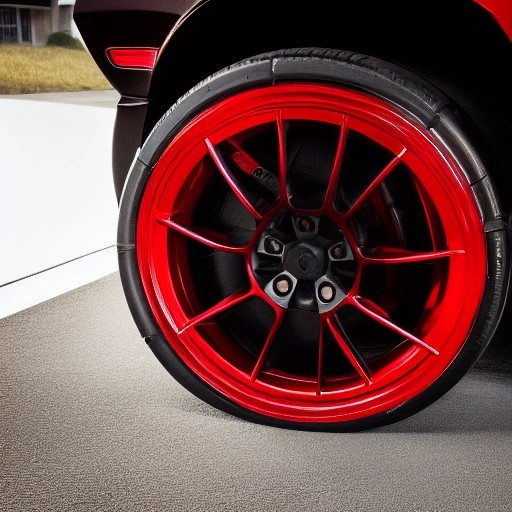
How to Stop Dodge Brake Rotor Warping After Aggressive Driving: A Muscle Car Owner’s Guide (Charger, Challenger, Durango SRT)
The deep rumble of a Dodge Charger as you press the throttle reminds you why muscle cars still rule the road — but that same aggressive driving can cook your brake rotors if you don’t know how to cool them down right.
TL;DR:
Aggressive driving builds extreme heat in your Dodge’s brakes. If you stop suddenly and hold the brake pedal while the rotors are red-hot, the pads pinch one spot and cause warping. You’ll feel a shaky pedal or steering wheel. To prevent this, cool your brakes by driving gently for the last minute or two, avoid holding the brake after a hard stop, and upgrade to high-quality drilled or slotted rotors if you drive hard often.
Key Takeaways:
- Brake rotors warp from uneven heat, not from normal wear.
- Holding the brake pedal after a hard stop is the #1 mistake.
- Cooling down your brakes takes less than 60 seconds.
- Upgraded rotors and pads help, but good habits matter more.
- Dodge SRT and HEMI® V8 models generate more heat = more risk.
Why Your Dodge’s Brakes Feel Like a Wobbly Shopping Cart After Hard Driving
You just finished a back-road blast in your Dodge Challenger SRT. The HEMI® V8 is ticking as it cools. You pull into a parking spot, press the brake pedal, and shut it down. Everything feels fine.
Tomorrow morning? The brake pedal pulses. The steering wheel shakes when you stop. That’s rotor warp.
Here’s what happened inside your brakes:
You got the rotors crazy hot from hard braking. Then you held the pedal down while stopped. That kept the brake pad pressed against one tiny spot on the rotor while the rest of the rotor cooled unevenly. That spot actually changed shape — got a little thicker. Now every time that high spot passes under the pad, you feel a pulse.
Never hold the brake pedal after a hard stop. That one habit saves your rotors.
The Cooling Lap Trick (Muscle Car Owners Swear By This)
Race car drivers do something smart after a fast lap. They take a “cool-down lap” — driving slowly without much braking. You can do the same thing on the street.
After aggressive driving:
- Drive gently for the last 60–90 seconds before you park.
- Use brakes as little as possible. Coast to slow down.
- When you finally stop, shift into Park or Neutral and release the brake pedal immediately.
- Let the car idle for 30 seconds before shutting off. This also helps your HEMI® V8 cool evenly.
“The biggest myth? That performance brakes don’t warp. They warp faster because they get hotter. Cooling technique matters more than rotor material.”
Do Drilled or Slotted Rotors Really Help Your Dodge?
Yes — but only if you drive hard often. Here’s the truth:
| Rotor Type | Best For | Downsides |
|---|---|---|
| Stock flat rotors | Daily driving, light fun | Trap heat, warp easier |
| Drilled rotors | Hard braking, show style | Can crack under extreme track use |
| Slotted rotors | Heavy towing, Durango AWD | Slightly louder braking |
| Two-piece rotors | Track days, SRT Performance | Expensive ($600+ per rotor) |
For most Dodge owners who do occasional pulls and hard stops, slotted rotors are the sweet spot. They let heat escape and wipe gas off the pads.
Bold safety reminder: Always replace rotors in pairs (both front or both rear). Never mix rotor types on the same axle.
How Brake Technology Evolved Alongside Dodge Muscle
Let’s take a quick ride through time:
- 1960s-70s – Drum brakes on most Mopars. Fade was terrifying.
- 1980s-90s – Front disc brakes become standard. Still small rotors.
- 2003 – HEMI® V8 returns. Bigger rotors needed.
- 2015 – SRT Performance gets massive 15.4-inch front rotors (Challenger Hellcat).
- 2020s – Six-piston Brembos standard on many SRT models.
- 2024+ – Dodge Charger Daytona EV uses regenerative braking + performance discs. Heat management goes high-tech.
“The Dodge Charger remains one of the last full-size muscle sedans available today, and its brakes have to handle nearly 5,000 pounds of American steel.”
Brake Heat Comparison – Standard vs. Aggressive Driving
Brake Rotor Temps: Normal vs. Aggressive Driving (Dodge SRT)
Comparison Table: Dodge Models and Brake Heat Risk
| Model | Vehicle Type | Powertrain | Front Rotor Size | Warp Risk (Aggressive Driving) |
|---|---|---|---|---|
| Dodge Charger GT | Sedan | V6 AWD | 13.6” | Moderate |
| Dodge Challenger R/T | Coupe | 5.7L HEMI® V8 | 14.2” | High |
| Dodge Charger SRT Hellcat | Sedan | Supercharged 6.2L HEMI® | 15.4” | Very High |
| Dodge Durango SRT | SUV | 6.4L HEMI® V8 | 15.0” | Extreme (heavy vehicle) |
| Dodge Hornet R/T | Crossover | Turbo + plug-in hybrid | 12.6” | Low (regenerative braking helps) |
“The Durango SRT weighs over 5,500 pounds. That mass creates immense heat in the brakes. Cooling technique is not optional — it’s critical.”
5 Real-World Habits That Prevent Warped Rotors
You don’t need a mechanic degree. You just need better habits.
1. Brake earlier, not harder
Look farther down the road. Smooth, early braking spreads heat across the whole rotor surface.
2. After a hard stop, creep forward slightly
Instead of holding the pedal, let the car roll a few inches every 10 seconds. This moves the hot pad to a new rotor spot.
3. Don’t use the parking brake after hard driving
The parking brake clamps the rear rotors in one spot. Wait 5 minutes of easy driving before setting it.
4. Bed in new pads and rotors correctly
When you install new brakes, follow the break-in procedure: 5-6 hard stops from 45 mph to 10 mph with cooling in between. This transfers an even layer of pad material.
5. Choose your rotors by how you drive
- Daily driver + occasional fun? Quality blank rotors (Centric, Raybestos)
- Weekend warrior? Slotted rotors
- Open track days? Two-piece floating rotors
AWD and Regenerative Braking – Do They Help?
Yes. Dodge AWD models like the Charger GT AWD and Durango GT AWD send power to all four wheels, which means you can use engine braking more effectively. Downshifting with the paddle shifters saves your front brakes.
The new Dodge Charger Daytona EV takes this further. Its regenerative braking system captures energy and slows the car without using the brake pads at all. You can drive aggressively and barely touch the friction brakes.
Pro tip from an owner: “I set my EV’s regen to ‘Strong’ and almost never warp rotors anymore. The friction brakes stay cool and ready for emergencies.”
Frequently Asked Questions
How do I know if my Dodge rotors are warped?
You’ll feel a pulsing brake pedal or shaking steering wheel when braking from 50+ mph. It gets worse as brakes heat up.
Can I fix warped rotors by machining (turning) them?
Sometimes, if warping is mild. But most modern Dodge rotors are too thin to machine safely. Replacement is usually better.
**Does driving with *Launch Control* warp rotors faster?**
Yes. Launch Control creates intense heat in the rear brakes during the hold-and-release. Always cool down after using it.
Are more expensive rotors worth it for a Dodge Challenger?
For street driving? Quality blanks are fine. For track or mountain roads? Yes — slotted or two-piece rotors resist heat better.
How often should I replace brake fluid in a high-performance Dodge?
Every 2 years. Old fluid boils at lower temps. Boiled fluid = no brakes. Use DOT 4 fluid for SRT Performance models.
**Does the *Uconnect infotainment* system show brake temperature?**
On SRT models, yes. Go to Performance Pages > Gauges. You’ll see brake, oil, and coolant temps.
What’s the #1 mistake new Dodge owners make?
Washing the car immediately after hard driving. Cold water on hot rotors = instant warping. Let brakes cool 30+ minutes first.
References
References:
- Dodge Official Performance & SRT Models
- Car and Driver – Brake Rotor Warping Explained
- Brembo – Performance Brake Technology
- Stellantis North America – Performance Heritage
Which Dodge model best represents true American muscle to you? Share your thoughts in the comments. And if you’ve got a warped rotor story — or a trick that saved your brakes — drop it below. Other owners need to know.
