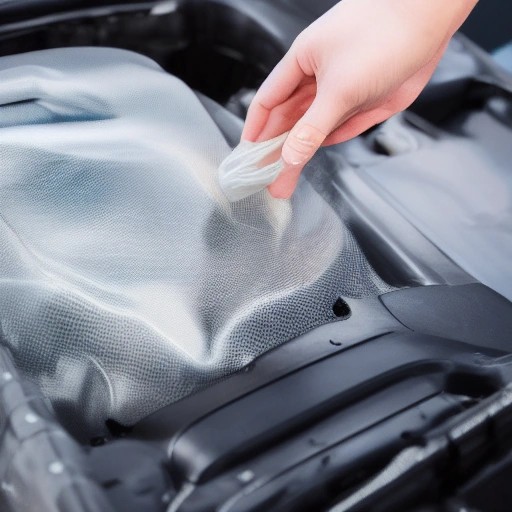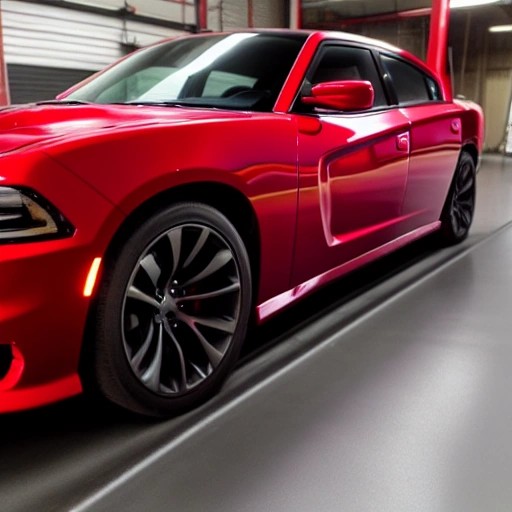
How to Keep Dodge Paint Looking New After Years of Daily Driving (Charger, Challenger, Durango)
There’s nothing quite like the sight of your Dodge Challenger or Charger gleaming under a gas station light after a late-night drive — but daily commutes, highway gravel, and parking lot dings can turn that showroom shine into a faded memory faster than you’d expect.
TL;DR:
Keeping your Dodge’s paint looking fresh for years comes down to three habits: washing correctly (no dish soap, two buckets, soft microfiber), protecting the clear coat (wax, sealant, or ceramic coating), and fixing chips immediately before rust starts. Dodge clear coats on older models (especially early 2000s) had peeling issues, but modern paints hold up well if maintained. Park in the shade, rinse off road salt in winter, and avoid automatic car washes with brushes. For deep protection, paint correction plus ceramic coating or PPF on the front bumper is the gold standard.
Key Takeaways:
- The clear coat is your paint’s shield — once it fails, the color fades and peels. Wax or sealant keeps it healthy.
- Two-bucket washing prevents swirl marks that dull your paint over time .
- Touch up stone chips immediately — bare metal leads to rust that spreads under the paint .
- Ceramic coating makes washing easier but doesn’t prevent rock chips. PPF (paint protection film) does .
- Never use dish soap on your Dodge. It strips wax and dries out plastics.
- Power washers over 1,200 psi can peel paint — yes, really .
Why Dodge Paint Seems to Take a Beating (And What You’re Actually Fighting)
Let me be straight with you. Dodge paint isn’t bad. But Dodge owners tend to drive their cars hard, park anywhere, and put on serious miles. That combination is tough on any finish.
Here’s what’s actually attacking your paint every single day:
UV rays – The sun’s ultraviolet light breaks down the chemical bonds in your clear coat. Dark colors like Pitch Black or Octane Red soak up more heat and fade faster .
Road grime and brake dust – Tiny metal particles from your brakes embed in the paint and rust on the surface. That’s those little orange-brown specks you see on white or light-colored Dodges.
Bird droppings and bug guts – These are acidic. Left on the paint for even a few hours in hot sun, they can etch permanently into the clear coat .
Automatic car wash brushes – Those giant spinning brushes hold grit from every truck that went through before you. They create micro-scratches (swirl marks) that make your paint look dull instead of reflective.
Road salt – In winter, salt brine eats through clear coat and attacks the metal underneath. Rinse it off monthly .
“The Dodge Charger remains one of the last full-size muscle sedans available today — but that wide stance means more surface area for road debris to attack.”
The Clear Coat Truth (Especially for Older Dodges)
Here’s something you need to know if you own a Dodge from the early 2000s. Some models — particularly the Dodge Dakota, Intrepid, and early Rams — had widespread clear coat failure issues .
Owners reported the clear coat starting to peel on hoods, roofs, and fenders. It often began with small bubbles that spread into larger peeling patches .
If you see whitish, chalky patches on your paint, that’s clear coat failure starting. Waxes and sealants can slow it down, but they can’t reverse it. One owner of a 2000 Intrepid noted that religious waxing kept the clear coat intact longer — but once the new owner stopped maintaining it, the clear coat peeled rapidly .
For modern Dodges (2015+), paint quality is much better. But the clear coat is still your first line of defense. Treat it right, and it’ll last a decade or more.
Dodge Paint Technology Evolution
Let’s see how Dodge paint has changed — and what that means for you.
- 1990s-early 2000s – Single-stage paint on some models. Clear coat failure common on Dakotas, Intrepids, and Rams .
- 2005-2010 – Improved basecoat/clearcoat systems. Still some peeling issues reported.
- 2011-2014 – Better UV inhibitors in clear coat. Fading slows down.
- 2015-Present – Modern ceramic-infused clear coats on higher trims. Much more durable.
- 2024+ (New generation) – Factory paint quality is excellent, but protection still matters.
The Safe Wash Routine (No Swirl Marks Allowed)
Ninety percent of paint damage happens during washing. Here’s how to wash your Dodge without destroying the finish.
What You’ll Need:
- Two buckets (one for soap, one for rinse)
- Grit guards (optional but helpful)
- Microfiber wash mitt (never a sponge or brush)
- Car-specific soap (Mopar Car Wash or similar mild soap)
- Microfiber drying towels (plush, not rough)
The Step-by-Step:
Step 1: Pre-rinse thoroughly
Blast off loose dirt with a garden hose (no nozzle needed). If you have a pressure washer, keep it under 1,200 psi — Dodge warns that higher pressure can damage paint and decals .
Step 2: Two-bucket method
Fill one bucket with soapy water, the other with plain rinse water. Dip your mitt in soap, wash a panel, then rinse the mitt in the rinse bucket before getting more soap. This keeps dirt from going back onto your paint .
Step 3: Wash top to bottom
Start with the roof, then hood and trunk, then doors, then lower panels and wheels. The dirtiest parts go last.
Step 4: Rinse immediately
Don’t let soap dry on the paint — it leaves spots.
Step 5: Dry with microfiber, not air
Air drying leaves mineral spots. Use a plush microfiber towel with light pressure. For large Dodges, dry in sections so water doesn’t bake onto the roof while you’re still working on the doors .
“Drying is where most people accidentally mar the paint. Aggressive towel rubbing leaves micro-scratches. Be gentle.”
What NOT to Do:
- No dish soap – It strips wax and is too harsh for automotive clear coat.
- No automatic car washes with brushes – Swirl mark factories.
- No washing in direct midday sun – Soap dries too fast and leaves residue.
- No sponges – They trap dirt against the paint. Use a microfiber mitt.
Decontamination — The Step Everyone Skips
Even with regular washing, your paint collects bonded contamination — things soap won’t remove. Industrial fallout, tar specks, tree sap, and brake dust .
How to check: After washing, run your hand over the paint inside a plastic bag (the bag amplifies texture). If it feels rough like sandpaper, you need decontamination.
What to do:
- Use a clay bar or clay mitt with lubricant (quick detailer works)
- Work in small sections, keeping everything wet
- You’ll feel the clay grab at first, then glide smoothly when the contamination is gone
- Follow with a quick rinse and dry
Do this once or twice a year, before applying wax or sealant.
Protection Options — Wax, Sealant, Ceramic, or PPF?
Here’s where you decide how much time and money you want to invest. All are better than nothing.
Traditional Wax (Carnauba)
Best for: Owners who enjoy a Saturday morning detailing session.
Durability: 1-3 months.
Cost: $15-50 per tub.
Wax gives dark colors like GoMango or F8 Green a deep, warm glow that many owners love. It’s forgiving to apply and makes water bead beautifully. But it doesn’t last long, especially on daily drivers parked outside .
Synthetic Sealant
Best for: Daily drivers who want durability without complexity.
Durability: 4-8 months.
Cost: $20-60 per bottle.
Sealants are chemically engineered to bond with clear coat. They last longer than wax and provide sharper reflectivity. Good for Dodges that see highway commuting, rain, or winter conditions .
Ceramic Coating (Consumer Grade)
Best for: Owners who want easy cleaning and long-lasting gloss.
Durability: 1-5 years depending on brand.
Cost: $70-200 for DIY kits, $1,000-2,500 for professional application.
Ceramic coatings are liquid polymers that bond to your paint at a molecular level. They create a slick, hydrophobic surface — water sheets off, dirt releases easily, and the gloss is incredible .
One Challenger owner who applied Chemical Guys ceramic coating said: “The results are absolutely amazing. The car is GoMango and has gold highlights like the old style flip-flop. I like this stuff.”
But here’s the catch: Ceramic coating does NOT prevent rock chips. It protects against UV, chemical stains, and makes washing easier — but a highway pebble will still chip your paint .
Installation tip: Apply in low humidity and moderate temperatures. One Florida owner set his alarm for 3 AM to beat the heat and humidity .
Paint Protection Film (PPF)
Best for: Owners who want actual chip protection.
Durability: 5-10 years.
Cost: $500-2,500+ (partial front end to full car).
PPF is a clear urethane film applied over your paint. It’s the only thing that actually stops rock chips. A full front-end wrap (bumper, hood leading edge, fenders, mirrors) costs $1,500-2,500 but pays for itself in avoided repaints .
“The best protection is paint protection film (PPF). This actually can stop scratches from occurring. If a scratch does occur, it’s in the PPF and a simple park in the sun will remove them.”
Protection Options for Your Dodge
| Protection Type | Durability | Chip Protection | Gloss Level | DIY-Friendly | Best For |
|---|---|---|---|---|---|
| Carnauba Wax | 1-3 months | None | Warm, deep | Yes | Weekend detailers |
| Synthetic Sealant | 4-8 months | None | Sharp, reflective | Yes | Daily drivers |
| Ceramic Coating (DIY) | 1-3 years | None | Extreme gloss | Moderate | Enthusiasts |
| Ceramic Coating (Pro) | 3-5+ years | None | Show car depth | No | Owners with budget |
| PPF (Partial) | 5-7 years | Excellent | Invisible | No | Highway commuters |
| PPF (Full) | 7-10 years | Maximum | Invisible | No | Garage queens |
Fixing Chips and Scratches Before They Spread
Here’s the rule: touch up stone chips immediately. Every single one. Here’s why.
Once a chip goes through the clear coat and color coat down to the metal (or primer), moisture gets underneath. Rust forms. And rust spreads under the paint like a cancer .
The official Dodge owner’s manual says: “If you detect any stone chips or scratches in the paint, touch them up immediately. The cost of such repairs is considered the responsibility of the owner.”
How to Touch Up a Chip (The Right Way)
You’ll need: Mopar touch-up paint (matched to your color code), a toothpick or fine brush, rubbing alcohol, and patience.
- Clean the chip with soap and water, then wipe with rubbing alcohol.
- Use a toothpick (not the brush that comes with the bottle) to apply a tiny drop of paint.
- Let it dry completely (1-2 hours).
- Apply a second drop if needed to build up to the surrounding clear coat level.
- Wait 24 hours, then gently polish the area to level the touch-up.
For deeper scratches that catch your fingernail: You may need clear coat touch-up as well. Apply in thin layers, let each cure fully.
When to Call a Professional
If the scratch is large (dime-sized or bigger), or if you see rust already forming, take it to a body shop. A professional respray of a panel costs $300-800. Ignoring rust costs $2,000+ for rust repair and repaint.
Seasonal Habits That Keep Paint Healthy
Winter (Salt and Sand):
- Rinse the undercarriage monthly if you drive on salted roads
- Keep a layer of sealant or wax on the paint before winter hits
- Avoid parking behind snowplows (they throw gravel)
Summer (UV and Bugs):
- Park in shade whenever possible
- Remove bugs within 24 hours — their guts are acidic
- Use a quick detailer spray after bug removal to restore protection
Year-Round:
- Keep drain holes in doors and rocker panels clear
- If you drive on gravel roads, consider mud flaps or stone shields
- Don’t park under trees (sap, birds, falling branches)
Real Owner Experiences: What Actually Works
From the Dodge Challenger forums, here’s what real owners are using:
On ceramic coatings:
“I have a Rupes Polisher for correction. You don’t have to install a coating for long-term protection. There are very good sealants that last 12-18 months on a couple of layers. Very easy to wipe on, wipe off.”
On easy spray products:
“I basically apply two ‘easy to use’ products — Meguiar’s Waterless Wash and Wax and Turtle Hybrid Ceramic Spray. I found with the ceramic spray that less is more. Very happy with the results.”
On professional ceramic:
“Yes and absolutely worth it. Easy to clean and the shine is amazing. The paint correction that precedes it — 100%.”
On PPF:
“1000% yes it is worth it. Got PPF on entire front end, fenders and mirrors guaranteed to last 10 years and with a ceramic coat guaranteed to last 9 years. Spent quite a bit of change but damn it’s worth it!”
Frequently Asked Questions
Why does my Dodge’s clear coat look hazy or white in spots?
That’s clear coat failure starting. It happens from UV damage, especially on older Dodges (early 2000s). Wax can slow it down, but repainting is the only permanent fix .
Can I use dish soap to wash my Dodge?
No. Dish soap is designed to cut grease and will strip wax and sealants. Use a car-specific soap like Mopar Car Wash or Meguiar’s Gold Class .
How often should I wax my Dodge?
Every 2-3 months for traditional wax. Sealants last 4-8 months. Ceramic coatings last 1-5 years depending on the brand .
Is ceramic coating worth the money?
Yes — if you maintain it properly. One owner said: “It’s worth it if you maintain it properly. If you treat it like a ‘set it and forget it’ protection, you’re going to waste your money.”
Will a pressure washer damage my Dodge’s paint?
Yes, if it’s over 1,200 psi. Dodge explicitly warns that higher pressure can damage or remove paint and decals . Use a garden hose or keep your pressure washer on a low setting.
What’s the best way to remove bird droppings?
Soak a microfiber towel with quick detailer and lay it over the spot for 30 seconds. Then gently wipe. Never scrape dry droppings — they’ll scratch the clear coat .
How do I fix a rock chip myself?
Use Mopar touch-up paint (match your color code) and apply with a toothpick in thin layers. Let each layer dry fully. The owner’s manual says to touch up chips immediately to prevent rust .
References
References:
- AGT Europe – How to keep your vehicle’s paint looking showroom-fresh
- RepairPal – Dodge Dakota Clear Coat Peeling Issue
- Dodge Challenger Forum – New Ceramic Coat Experiences
- AGT Europe – Protecting Your Dodge: Simple Steps
- Auto Geek Online – Clear Coat Failure Discussion
- Jay’s Detail Studio – Professional Ceramic Coating on Challenger
- 2024 Dodge Durango Owner’s Manual – Paint Care (Page 301)
- Dodge Challenger Talk – Ceramic Coating Worth It? Owner Opinions
- 2017 Dodge Charger Owner’s Manual – Paint Care (Page 480)
What’s your secret for keeping your Dodge’s paint looking sharp? Drop your year, color, and go-to products in the comments — other owners need to know what actually holds up.