Used Dodge for sale: What to Inspect Before You Buy
The sound of a potential V8 rumble beckons you from a dealership lot—but before that daydream of power becomes your reality, there’s a crucial reality check you need to perform. Knowing what to inspect on a used Dodge can mean the difference between landing a reliable muscle car and being saddled with a costly project.
TL;DR
Buying a used Dodge requires a careful, two-phase approach that starts with online research and ends with a thorough hands-on inspection. Before you ever see the car, vet its history using the Vehicle Identification Number (VIN) to check for accidents, finance issues, and confirm its mileage. When you meet the car, conduct a methodical check of the exterior, interior, and under the hood, followed by a comprehensive test drive that mimics real-world driving. Finally, never skip the final step: a professional pre-purchase inspection by a trusted mechanic for the ultimate peace of mind.
Key Takeaways
- History is Everything: A VIN check and review of MOT history are non-negotiable first steps to uncover a car’s past.
- Documentation Must Align: Verify that the V5C logbook details match the car and seller perfectly; discrepancies are a major red flag.
- Service Records are a Lifeline: A complete and consistent maintenance history is the best predictor of a Dodge’s future reliability.
- The Test Drive is Diagnostic: It’s not just for feel—it’s a critical tool to check the engine, transmission, brakes, and steering under real conditions.
- Trust but Verify: Even if a car seems perfect, an independent professional inspection is the best money you’ll spend.
Phase 1: The Detective Work – Research Before You View
Before you shake hands or get excited, your investigation starts online. This phase can save you from wasting a trip or falling for a scam.
Decode the VIN and Run a History Check
The Vehicle Identification Number (VIN) is the car’s unique fingerprint. Use a reputable paid service (often called an HPI check) to get a report. This is your single most important tool to discover if the car has been written off, has outstanding finance (which could mean the bank legally owns it), has mileage discrepancies, or has been reported stolen.
A former automotive executive notes, “The condition of a car’s interior usually reflects how well it’s been maintained overall. A spotless interior might just be staged to distract you from mechanical issues. Always verify the history first.”
Scrutinize the MOT History and Service Records
For any car over three years old in the UK, the MOT history is a free public diary. Check it online using the registration number. Look for a consistent pass record, but pay even closer attention to failure reasons and advisory notes. Advisories tell you what will need fixing soon.
For a Dodge, service history is critical. These are powerful vehicles that thrive on consistent maintenance. Ask for all records. A full service history from a Dodge dealer or reputable garage is a strong green light. Gaps in the history or a missing logbook should make you very cautious. The Mopar owner’s site can be a resource for digital records if you have the VIN and the seller’s cooperation.
Verify the V5C Logbook
When you view the car, you must see the V5C registration document (logbook). Check that:
- The seller’s name and address match the person and place you’re dealing with.
- The car’s details (make, model, colour, VIN) on the logbook exactly match the car in front of you.
- The logbook has a legitimate watermark.
If the seller “has just applied for a new one” or can’t produce it, walk away.
Phase 2: The Hands-On Inspection – Your Comprehensive Checklist
View the car in daylight on a dry day. Bring a torch, a friend for a second opinion, and this checklist.
What to Bring: A torch, a cloth for checking fluids, a tyre tread depth gauge (or a 20p coin), and your phone for photos/videos.
Exterior & Underbody Inspection
- Bodywork: Look for uneven panel gaps (especially on Challengers and Chargers), which can indicate poor accident repair. Check for colour mismatches or overspray on trim.
- Rust: Check wheel arches, door sills, and the underside. Surface rust can be treated, but structural rot is a deal-breaker.
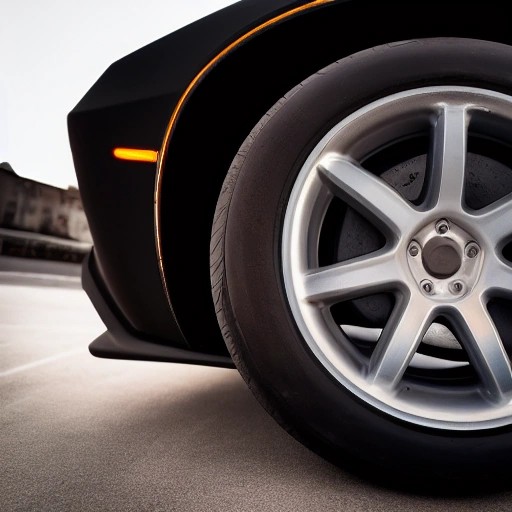
- Tyres: Uneven wear can signal alignment or suspension issues. Tread must be above the UK legal minimum of 1.6mm, but consider replacement if under 3mm.
- Lights & Glass: Ensure all lights work and lenses are clear. Check the windshield for major chips or cracks.
Under the Bonnet (On a Cold Engine)
- Fluids: Check engine oil (colour and level), coolant (should be brightly coloured, not rusty), and brake fluid. “Mayonnaise” under the oil cap indicates a serious head gasket problem.
- Leaks & Belts: Look for any fluid leaks or oil stains. Inspect serpentine belts for cracks.
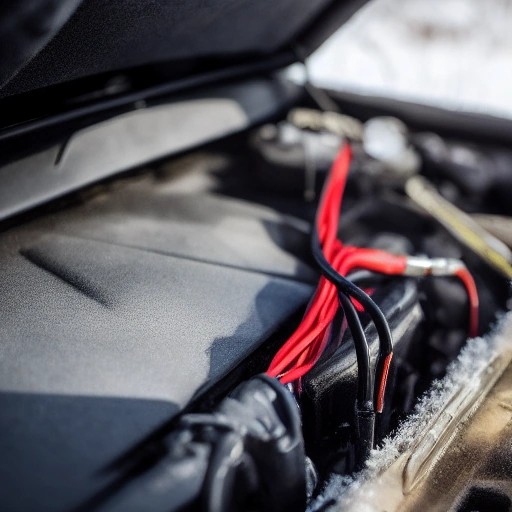
- Battery: Check for corrosion on the terminals.
Interior & Electrics
- Wear & Tear: Heavy wear on the driver’s seat bolster, steering wheel, or gear knob on a low-mileage car could hint at ‘clocked’ mileage.
- Operation: Test every single electrical feature: windows, mirrors, infotainment (especially Uconnect systems), air conditioning, and all dashboard lights.
- Odours & Damp: A musty smell or damp carpets can point to water leaks or flood damage.
The All-Important Test Drive
This is where you feel the car’s soul. Plan a route that includes 20-30 minutes of driving on city streets, country roads, and a dual carriageway if possible.
- Cold Start: Listen for excessive rattles or smoke (blue smoke = engine wear; white smoke = potential head gasket).
- Transmission: For automatics, shifts should be smooth, not harsh or sloppy. For manuals, the clutch should engage smoothly without slipping.
- Steering & Brakes: The car should track straight. Brakes should feel firm and stop the car evenly without pulling.
- Suspension & Noise: Listen for clunks over bumps. Note any vibrations or unusual whines from the drivetrain.
Phase 3: The Final Verification – Seal the Deal Smartly
If you’re satisfied after your inspection, there are two final, critical steps.
- Get a Professional Pre-Purchase Inspection: For a used performance car, this is essential. Services like the AA or a trusted independent specialist can put the car on a lift and give you an unbiased report on its true condition. Use any findings as leverage in final negotiations.
- Secure Proper Payment and Paperwork: Never pay in cash. Use a bank transfer for security. Ensure the seller correctly completes the V5C/2 section (the ‘new keeper’ slip) and that you receive a detailed receipt.
Critical Dodge-Specific Considerations
- Engine Choice Matters: Always ask, “Which engine is in this model?”. A 5.7L or 6.4L HEMI® V8 will have different maintenance needs and costs than a 3.6L Pentastar V6. Research common issues for the specific powertrain.
- Performance History: A used Dodge muscle car may have led a hard life. Look for modifications, track use, or overly aggressive wear as clues. A thorough mechanical inspection is even more vital here.
- Warranty Status: Check if any factory warranty remains or if it’s a Certified Pre-Owned (CPO) vehicle from a Dodge dealer, which includes additional warranty coverage.
Frequently Asked Questions (FAQ)
How important is mileage on a used Dodge?
Mileage is a factor, but condition and history are more important. A high-mileage car with a full service history is often a better bet than a low-mileage car with gaps in its records. Modern Dodges with proper care can exceed 200,000 miles.
What if the service history is incomplete?
It’s a significant risk. You might be able to verify some work via the Mopar owner’s site with the VIN, but missing history should lower your offer to account for potential unknown issues or prompt you to walk away.
Are used Dodge vehicles reliable?
Reliability varies greatly by model, year, and how it was maintained. The key is due diligence. A well-maintained Dodge can be very reliable, while a neglected one can be problematic. The inspection process outlined here is designed to help you find the former.
What’s the biggest red flag when buying a used car?
Multiple red flags exist, but a seller who cannot provide a V5C logbook, refuses a history check, or will not allow a test drive or independent inspection should end the transaction immediately.
Can I check for open recalls?
Yes. You can check for open safety recalls on the DVLA website or through a Dodge dealership using the VIN. Ensure any outstanding recalls have been addressed.
Is buying from a dealer safer than private sale?
Generally, yes. Reputable dealers often provide warranties, have already done basic checks, and their reputation is at stake. However, the same inspection principles apply—never assume.
Taking your time with this process isn’t just about avoiding a bad car; it’s about confidently finding the right Dodge for you. Have you ever uncovered a hidden issue during a used car inspection, or do you have a tip for fellow buyers? Share your experience in the comments below.
References:
- The AA: Vehicle Inspection Report Checklist
- Mopar: Your Vehicle’s Service Records
- Sandicliffe: Ultimate Used Car Inspection Checklist
- VehicleScore: Dodge Service History & Lifespan
- Heritage Chrysler Jeep Dodge RAM: Questions to Ask Before Buying a Used Dodge
- carVertical: Dodge VIN Decoder UK
- CarOwl: Used Car Inspection Checklist – The Ultimate UK DIY Guide
- Green Dodge: What to Look For When Buying a Used Car
- Car.co.uk: Buying a Used Car – The Ultimate Checklist for 2025
- GOV.UK: Get Vehicle Information from DVLA