
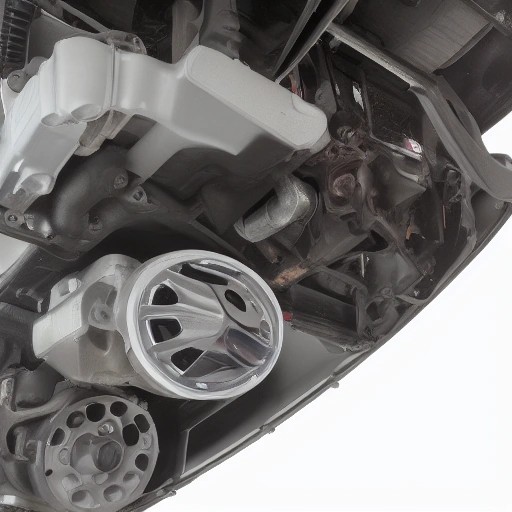
How to Maintain Dodge AWD Systems for Long-Term Reliability
That Snowy On-Ramp Confidence—Here’s How to Keep Your Dodge AWD System Running for 200,000 Miles (or More)
Introduction
You feel it the moment you pull away from a stop sign on a rain-slicked road—that extra push from the rear, the way your Charger GT or Durango just grips and goes—and keeping that all-wheel-drive magic alive for the long haul comes down to three things: fresh fluids, clean sensors, and paying attention to the warning signs before they become tow-truck moments.
TL;DR
Your Dodge AWD system has three main parts that need love: the transfer case (sends power to the rear), the rear differential (splits power between rear wheels), and the power transfer unit (front differential on some models). The number one killer of AWD systems is neglected fluid changes—owners assume “lifetime fill” means forever, but it doesn’t. Change transfer case fluid every 60,000–80,000 miles, differential fluid every 50,000–100,000 depending on driving, and use only the exact factory-specified fluid. Also, never mix tire sizes or tread depths—AWD Dodges are famously sensitive to mismatched tires.
Key Takeaways
- “Lifetime fluid” is a myth—change your transfer case fluid every 60,000–80,000 miles
- Mismatched tires (even different brands with the same size) can destroy your AWD system
- Listen for grinding or rattling from underneath—that’s your transfer case crying for help
- Use ONLY manufacturer-specified fluid—generic fluid causes expensive failures
- The BorgWarner AWD system in most Dodges uses an electronic solenoid that can fail if ignored
- A weak battery can trigger false AWD warning lights—check voltage before replacing parts
How Dodge AWD Actually Works (Simplified)
Let me break this down so it makes sense. Your Dodge AWD system has three main jobs, handled by three main components.
The Transfer Case sits between your transmission and the rear driveshaft. It decides how much power to send to the back wheels. Most modern Dodges use a BorgWarner system with an electronic solenoid that engages the rear axle when the front wheels slip .
The Rear Differential is the pumpkin-shaped thing on your rear axle. It takes that spinning driveshaft power and splits it between your left and right rear wheels.
The Power Transfer Unit (PTU) or front differential does the same job for the front wheels. On some AWD Dodges, it’s built into the transmission.
Fun fact: The AWD system in your Charger GT or Durango is always “ready” but only sends power to the rear when needed—usually within a fraction of a second of detecting front wheel slip .
Bold reminder: The system relies on your anti-lock brake sensors to detect wheel slip. If an ABS sensor fails, your AWD system might not engage when you need it.
The One Maintenance Item You Cannot Skip (Fluids)
Here’s the truth that dealerships don’t always emphasize. Your owner’s manual might call differential and transfer case fluid “lifetime fill.” But lifetime means the expected life of the component—not forever .
Heat breaks down fluid. Friction contaminates it with microscopic metal particles. Old fluid doesn’t lubricate well. And when your transfer case runs dry or sludgy? You’re looking at a $2,000–3,000 repair .
Transfer Case Fluid
This is the most important fluid in your AWD system. The transfer case has gears and a chain inside that splash fluid around to stay cool and lubricated . Over time, that fluid breaks down from heat and friction.
- Recommended interval: Every 60,000–80,000 miles for normal driving. If you tow or drive hard, do it at 50,000 .
- Official Dodge schedule for some models: 120,000 miles (192,000 km) but many owners do it sooner
- Signs your transfer case fluid is bad: Dark, discolored fluid, low fluid level, or grinding/rattling noises from underneath
Rear and Front Differential Fluid
Your differentials also need fresh fluid. The gears inside generate heat and wear particles that settle in the fluid.
- Recommended interval: Every 50,000–100,000 miles depending on driving conditions
- If you tow regularly: Change it every 30,000–50,000 miles
One Durango owner who tows a boat reported changing his differential fluid at 72,000 miles. He said it “didn’t look too bad” but did it anyway as cheap insurance .
The Fluid Type Matters—A Lot
This is critical. You cannot use generic gear oil from the auto parts store unless it specifically meets Dodge specs.
- Using the wrong fluid causes premature failure of transfer case components
- Some AWD systems require special friction modifiers for the limited-slip differential
- Check your owner’s manual or call a dealer parts department for the exact specification
How to Inspect Your AWD System at Home (15 Minutes)
You don’t need a lift for a basic inspection. Here’s what to check.
Look for Leaks
The exterior surface of your transfer case and differential should be dry . If you see wet spots or drips, you have a leak that needs attention.
- Transfer case leaks often come from the output shaft seal or the housing gasket
- Differential leaks usually come from the cover gasket or axle seals
Check Fluid Levels (If You Have a Fill Plug)
On many Dodges, the transfer case has a fill/inspection plug in the middle of the rear housing . Remove the plug—the fluid level should be even with the bottom of the hole. If it’s low, add the specified fluid until it just starts to drip out .
Listen for Noises
With the car parked and engine off, get underneath and listen for anything unusual. But the real test comes while driving:
- Grinding or rattling from under the car? Could be transfer case wear
- Whining that changes with speed? Might be differential bearings
- Clunking when shifting between Drive and Reverse? Check driveline mounts
The Tire Issue That Kills AWD Systems
This is the number one mistake Dodge AWD owners make.
Your AWD system expects all four tires to be the exact same diameter. When one tire is worn more than the others—or worse, you replace only two tires—the system sees different wheel speeds and gets confused .
The transfer case and differentials fight that mismatch. Components overheat. Seals fail. And eventually, you’re buying a new transfer case.
The rules for AWD tire health:
- Replace all four tires at the same time whenever possible
- If you must replace two, have a tire shop shave the new ones to match the tread depth of the old ones
- Rotate your tires every 6,000–8,000 miles to keep wear even
- Check tire pressure monthly—a low tire changes the rolling diameter
One Durango owner chased AWD warning lights for weeks before discovering the issue was two different tire brands on the same axle. The diameters were slightly different, and the system hated it .
Bold reminder: Even the same tire size from different manufacturers can have slightly different diameters. Always check the actual revolutions per mile spec.
The AWD Warning Light—What It Means and What to Do
When that “Service AWD” light pops up on your dash, don’t panic. It could be several things .
First, check the simple stuff:
- Battery health: A weak battery causes all kinds of electrical gremlins, including false AWD warnings . Have it load-tested at any auto parts store.
- Battery connections: Loose or corroded terminals cause voltage drops that confuse the AWD control module
- Wheel speed sensors: These tell the AWD system when wheels are slipping. A bad sensor triggers the warning light
If the light stays on and you feel drivability issues:
- Stuttering or lurching during acceleration points to the transfer case or control module
- Ticking noises when shifting gears often means the transfer case motor is failing
- Being stuck in AWD Low mode suggests a control module or range position sensor problem
What not to do: Don’t ignore the light and keep driving. The underlying issue will get worse and more expensive.
Comparison Table—Dodge AWD Models and Their Common Issues
| Model | AWD System Type | Common Problems | Prevention |
|---|---|---|---|
| Charger GT (2015+) | BorgWarner electronic | Transfer case control module, rear diff bushings | Fluid changes every 60k, OEM control modules only |
| Durango (2011-2024) | BorgWarner electronic | Transfer case motor, transfer case neglect , electrical faults | Fluid changes, strong battery, even tire wear |
| Journey AWD | BorgWarner electronic | AWD engagement issues, 62TE transmission problems | Regular transmission service, check ABS sensors |
| Avenger AWD | Traditional gear-driven | Transfer case fluid breakdown | Strict fluid change intervals |
Real Owner Experiences—What Goes Wrong
The forums tell the real story. Here’s what actual Dodge AWD owners have dealt with.
The Transfer Case Control Module Failure
One Durango owner replaced his transfer case control module with a non-OEM part. It worked for three months, then the AWD warning lights came back along with stuttering during acceleration. He replaced it with an OEM module—same problem. The issue turned out to be deeper, possibly the transfer case motor or range position sensor .
Lesson: When AWD electrical problems start, get a proper diagnostic scan before throwing parts at it.
The Not-Serviceable Transfer Case
The 62TE transmission in some AWD Journeys has known issues. One owner with 83,000 miles experienced no upshifts and got stuck in 3rd gear failsafe mode. The fluid was dark purple with metal contamination .
Lesson: The “lifetime fill” claim doesn’t mean 80,000 miles is safe. Change it sooner.
The Cold Start AWD Quirk
Another Journey owner reported that after a cold start, the AWD system wouldn’t engage until he drove 30–50 yards, then a slight shifting noise occurred and everything worked normally .
Lesson: Some AWD behaviors are normal, but knowing what’s normal for your specific model saves worry.
Transfer Case vs. Differential—What’s the Difference?
This confuses a lot of owners. Let me clarify.
| Component | Location | What It Does | Fluid Type |
|---|---|---|---|
| Transfer Case | Behind transmission, before rear driveshaft | Sends power to front AND rear axles | Usually ATF or specialty gear oil |
| Front Differential | Front axle assembly | Splits power between left/right front wheels | Gear oil (75W-90 typical) |
| Rear Differential | Rear axle pumpkin | Splits power between left/right rear wheels | Gear oil + friction modifier if limited-slip |
Your AWD Dodge has all three. Each needs its own fluid change at different intervals.
The transfer case on most Dodges uses automatic transmission fluid (ATF), not heavy gear oil. Using the wrong fluid type is a common mistake .
Step-by-Step: The AWD Maintenance Schedule You Should Actually Follow
Forget what the dealer says about “lifetime.” Here’s what experienced owners recommend .
Every 30,000–50,000 miles:
- Change transfer case fluid if you tow or drive hard
- Inspect all AWD components for leaks
Every 50,000–60,000 miles:
- Change transfer case fluid (normal driving)
- Change rear differential fluid
- Change front differential fluid (if serviceable)
Every 60,000–80,000 miles:
- Change transmission fluid (ZF transmissions need this regardless of “lifetime” claims)
Every 6,000–8,000 miles:
- Rotate tires to maintain even wear
- Check tire pressures
Annually:
- Visual inspection for leaks
- Listen for unusual noises
Bold reminder: If you bought your Dodge used and don’t know when fluids were last changed, change them now. It’s cheap insurance.
The Electrical Side—Sensors, Modules, and Battery Voltage
Modern AWD systems are computerized. They rely on inputs from multiple sensors to decide when to engage.
Wheel Speed Sensors tell the system if a wheel is spinning faster than the others. A dirty or failing sensor triggers AWD warning lights and can prevent the system from engaging .
Transfer Case Control Module is the brain that commands the transfer case motor. These modules can fail, and aftermarket replacements sometimes cause more problems than they solve .
Battery Voltage affects everything. Low voltage causes modules to behave erratically. One Durango owner with electrical issues discovered a failing alternator was causing voltage to spike to 16V, shutting down modules intermittently .
The ground connection test: Clean and tight ground connections prevent many electrical gremlins. Check the ground from battery to chassis, chassis to engine, and PCM ground .
What to Do When You Buy a Used AWD Dodge
Congratulations on your used AWD purchase. Now do these things immediately.
- Change all fluids—transfer case, both differentials, transmission. You don’t know when they were last done.
- Check tire tread depth on all four corners—if they’re mismatched, start planning for four new tires .
- Have the battery load-tested—a weak battery causes false AWD warnings .
- Listen for transfer case noise during a test drive—grinding or rattling means trouble .
- Check for AWD warning lights—if the previous owner cleared them, they’ll come back when the system detects the fault again.
One forum member bought a used Durango and discovered the transfer case had never been serviced at 100,000 miles. He changed the fluid immediately and avoided a $2,500 replacement .
FAQ—Dodge AWD Maintenance Questions
1. How often should I change my Dodge transfer case fluid?
Every 60,000–80,000 miles for normal driving. Every 50,000 if you tow or drive aggressively . The official Dodge schedule for some models says 120,000 miles, but most owners do it sooner.
2. Can I use any gear oil in my differential?
No. Use only the fluid specified in your owner’s manual. The wrong fluid can damage limited-slip clutches or cause premature wear .
3. My AWD warning light came on but the car drives fine. What should I do?
Check your battery and connections first—low voltage causes false warnings . If those are good, have the system scanned for codes at a shop .
4. Do I really need to replace all four tires at once on an AWD Dodge?
Yes. Mismatched tire diameters force the AWD system to work harder, causing overheating and failure . Replace all four or have new tires shaved to match the old ones.
5. How do I know if my transfer case is failing?
Listen for grinding or rattling noises from underneath the car . You might also notice difficulty engaging AWD or unusual vibrations.
6. Is transmission service part of AWD maintenance?
Yes. The transmission works directly with the transfer case. On many Dodges, the transmission fluid should be changed around 70,000–80,000 miles regardless of “lifetime” claims .
7. What’s that ticking noise from under my Durango when I shift gears?
That’s likely the transfer case motor trying to engage. If it’s excessively loud or persistent, the motor or control module may be failing .
Keep Your AWD Dodge Gripping for Years
You bought AWD for a reason. Maybe it’s the confidence of snowy Michigan winters. Maybe it’s the planted feel of a Charger GT on a wet on-ramp. Maybe you just wanted that extra traction for your Duranga when the family camping trip goes down a gravel road.
Whatever your reason, that system needs you to pay attention.
Change the fluids. Check for leaks. Keep your tires matched and rotated. Don’t ignore the warning lights. And for the love of grip, don’t put two new tires on an AWD Dodge and call it good.
I’ve watched a 2014 Durango AWD roll past 180,000 miles with zero drivetrain issues. The owner? Changed transfer case fluid every 60,000 like clockwork, rotated tires religiously, and fixed a small leak the moment it appeared. His secret wasn’t luck—it was maintenance.
Your Dodge AWD system is tough. The BorgWarner units in these cars can run for hundreds of thousands of miles. But they’re not magic. They need clean fluid, healthy sensors, and matched tires.
Give them that, and you’ll be the one pulling away from the stoplight on a snowy day while everyone else spins their front wheels.
What’s the highest mileage you’ve seen on a Dodge AWD system—and what’s your maintenance secret? Drop your experience in the comments to help other owners keep their AWD running strong.
References:
- AutoGuru – Transfer Case Fluid Replacement and Maintenance
- Dodge Durango Forum – AWD Fluid Change Schedules and Owner Experiences
- Dodge Journey Forum – AWD System Diagnostics and Owner Reports
- Dodge Charger 2011 Owner’s Manual – AWD System Inspection
- Dales Auto Service – Dodge AWD Common Problems and Prevention
- Dodge Durango Forum – AWD Warning Light Diagnostics and Electrical Issues

