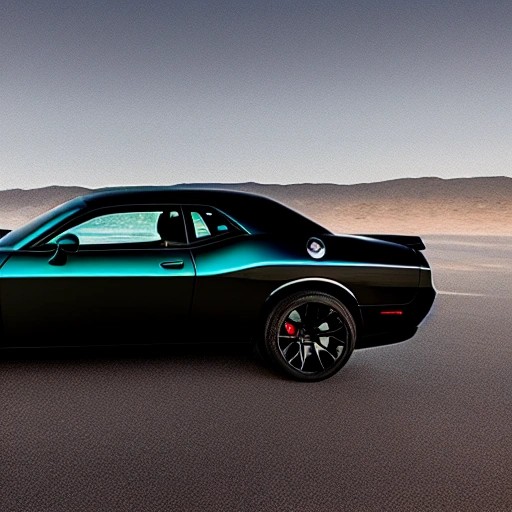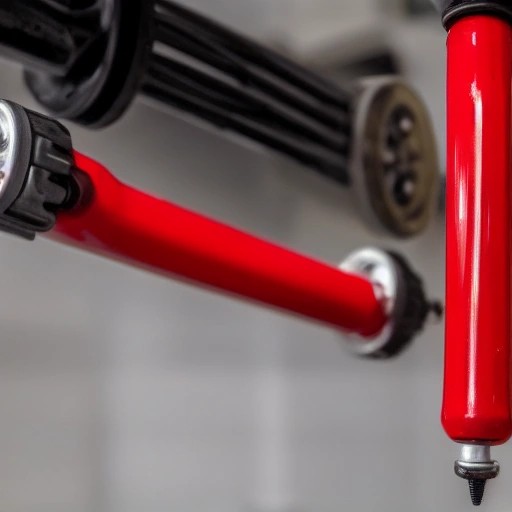
Dodge Suspension Upgrade Guide: Street Comfort vs. Track Performance (Charger, Challenger, Durango)
There’s nothing quite like the feeling of your Dodge Charger or Challenger hugging a tight corner or launching off the line with zero wheel hop — but the suspension that feels amazing on a smooth track can rattle your teeth out on a bumpy daily commute.
TL;DR:
Street-focused suspension upgrades prioritize ride comfort and noise reduction while improving handling slightly. Track-focused upgrades prioritize maximum grip and control, often making the ride stiffer and noisier. For most Dodge owners, lowering springs or adjustable coilovers with rubber-isolated mounts offer the best “Goldilocks” balance — better handling than stock but still comfortable enough for daily driving. SRT and Scat Pack models with factory electronic damping can switch between modes, giving you both worlds. Full race setups like FOX Factory Race Series or BMR rear conversion kits are overkill for street-only cars.
Key Takeaways:
- Lowering springs are the cheapest upgrade ($300-500) but offer fixed height and no damping adjustment.
- Coilovers ($1,200-6,000) let you adjust height and often damping — perfect for fine-tuning your setup.
- Rubber-isolated spherical bearings (on newer kits like Ridetech) reduce noise without sacrificing performance .
- SRT electronic damping lets you switch between Auto (comfort), Sport (firm), and Track (maximum stiffness) with the push of a button .
- Rear suspension upgrades (control arms, cradle bushings) dramatically improve launch traction on Chargers and Challengers .
- Track use requires more maintenance — SRT recommends checking boots and bushings after every track event .
Why Upgrade Your Dodge’s Suspension in the First Place?
Stock Dodge suspensions are decent. They have to be — your Charger or Challenger weighs over 4,000 pounds and packs anywhere from 300 to over 800 horsepower. But “decent” isn’t the same as “great.”
Here’s what upgrading actually does for you:
Body roll reduction – That leaning feeling when you take a corner too fast? Stiffer springs and sway bars reduce it dramatically. You’ll feel more confident pushing into turns.
Better launching – If your rear end squats and hops when you stomp the gas, upgraded control arms and bushings keep the tires planted. One owner with a BMR kit said the difference was “night and day” off the line .
Adjustable stance – Coilovers let you lower your car exactly how you want it — from a subtle 0.75-inch drop to an aggressive 2-inch slam.
Firmer, more connected feel – The vague, floaty sensation at highway speeds disappears with quality shocks and springs.
But here’s the trade-off: stiffer usually means less comfortable. Every upgrade is a compromise between cornering grip and kidney comfort.
“The Dodge Charger remains one of the last full-size muscle sedans available today — and upgrading its suspension transforms it from a straight-line bruiser into a true corner carver.”
The Three Main Types of Suspension Upgrades
Let me break this down simply so you know what you’re looking at.
1. Lowering Springs ($300-600)
These replace your factory coil springs with shorter, stiffer ones. They lower your car by about 1 to 1.5 inches . You keep your factory shocks. This is the budget-friendly option for owners who want a better look and slightly improved handling without breaking the bank.
Best for: Daily drivers who want looks and modest performance gains.
2. Coilovers ($1,200 – $6,000+)
These replace both your springs AND shocks with a single adjustable unit. You can change ride height by threading the spring perch up or down. Many also let you adjust damping stiffness (how the shock responds to bumps). Premium brands like KW, Ridetech, BC Racing, and FOX offer various levels of adjustment .
Best for: Enthusiasts who want to dial in their setup exactly.
3. Component Upgrades (control arms, sway bars, bushings)
Instead of replacing everything, you can upgrade specific weak points. Rear control arms stop wheel hop during launches. Thicker sway bars reduce body roll. Stiffer cradle bushings tighten up the rear end feel. BMR Suspension makes bolt-on kits that address the whole rear system .
Best for: Owners who want targeted improvements without a full overhaul.
How Dodge Suspension Has Evolved
Understanding the history helps you appreciate what’s available now.
- 1960s-70s (Classic Chargers) – Torsion bar front suspension and leaf spring rear. Upgradable, but requires major work to feel “modern” .
- 2005-2010 (LX Platform) – Independent front suspension, live rear axle. First generation of modern Charger/Challenger handling.
- 2011-2014 (LD Refresh) – Improved geometry. Electronic damping appears on SRT models .
- 2015-Present – Bilstein electronic adaptive dampers standard on Scat Pack and Hellcat. Widebody models add wider track width and specific tuning.
- 2024+ (New generation) – Continued refinement. Aftermarket support is catching up.
Street Comfort Upgrades — Keeping Your Kidneys Happy
If you daily drive your Dodge and care about your spine, read this section carefully.
The goal of a street-focused suspension is controlled comfort. You want less body roll and better response, but you don’t want to feel every pebble on the road.
Best Street-Focused Options
Ridetech Coilovers with Rubber Isolated Bearings
Ridetech recently released adjustable coilovers specifically designed for the Charger and Challenger platform. What makes them special? They use rubber-isolated spherical bearings that minimize noise, vibration, and harshness (NVH) — the annoying side effects that usually come with performance suspension .
Their description nails it: “This additional compliance strikes a happy medium for those who want all the performance benefits of an adjustable suspension without sacrificing ride quality or comfort.”
These have 24-position rebound adjustment, so you can soften them for daily driving and firm them up for weekend fun. About $2,500-3,500 depending on configuration.
KW Variant Coilovers
KW is a German brand known for exceptional ride quality even when lowered. Their “Variant” series uses stainless steel bodies (no rust) and progressive springs that start soft then firm up as you push harder. The V2 adds 16-click rebound adjustment .
Owners consistently report that KW coilovers ride better than stock while handling significantly better. Expect to pay $2,000-2,800.
ST Suspensions Lowering Springs
If coilovers are out of your budget, ST (owned by KW) makes high-quality lowering springs. Their Sport-tech springs drop your Charger about 1.4 inches and work with factory shocks. Made from chrome silicon steel with an epoxy coating for corrosion resistance .
At $469, these are an affordable entry point. Just know you’re getting fixed height and no damping adjustment.
The SRT Electronic Damping Advantage
If you own a Scat Pack, SRT 392, Hellcat, or any Dodge with the Electronic Control Damping System, you already have something special.
These cars come with factory Bilstein adaptive dampers that adjust in real-time. You can switch between three modes :
| Mode | Feel | Best For |
|---|---|---|
| Auto | Sporty but comfortable. Suspension adapts to road conditions automatically. | Daily driving |
| Sport | Firmer ride. Less body roll. More connected feel. | Spirited back roads |
| Track | Maximum stiffness. Minimal body movement. Transmission also gets aggressive. | Track days or autocross |
“The SPORT setting will provide a firmer ride. Track mode combines maximum performance suspension and aggressive transmission calibration.”
Important note: If you replace the factory shocks on an SRT model with aftermarket coilovers, you’ll need EDC delete modules to prevent error codes. Some kits (like KW HAS) work with factory dampers — check before buying .
Track Performance Upgrades — Maximum Grip and Control
Now let’s talk about the serious stuff. If you actually take your Dodge to track days, autocross events, or drag strips, you need components designed for abuse.
Track suspension prioritizes one thing above all else: performance. Comfort is an afterthought. Noise is expected. But the grip? Unreal.
Best Track-Focused Options
FOX Factory Race Series 2.0 X2 Coilovers
This is the real deal. FOX builds shocks for trophy trucks and race cars, and they’ve brought that technology to the Dodge platform. The 2.0 X2 shocks feature 4-way independent adjustment — high-speed compression, low-speed compression, high-speed rebound, and low-speed rebound — 24 clicks each .
What does that mean for you? You can tune the suspension for every situation separately. Bumpy track entrance? Soften low-speed compression. Big curbing? Adjust high-speed. The twin-tube design keeps oil temperatures consistent during long sessions.
These convert the rear suspension to a coil-over design and lower the car 0.75-1.5 inches. Price: $6,000. This is not for casual drivers .
Ridetech TQ-Series (Coming Soon)
For those who want triple-adjustable dampers (even more tuning than FOX), Ridetech is releasing their TQ-series coilovers for dedicated track builds. These are for serious competitors only .
BMR Rear Suspension Kit
If drag racing is your thing, this kit transforms how your Charger or Challenger launches. BMR’s RSK119H kit is 100% bolt-on and includes control arms, cradle bushings, and other components that improve rear suspension geometry .
One customer review: “Installed this on my 2021 Charger and the difference is night and day. The traction off the line is incredible, and it handles corners like a dream.”
Another added: “I put this kit on my 2019 Challenger, and it transformed the car. The ride is firm yet comfortable, and the launch consistency is impressive.”
Price is around $600 for the basic kit, making this one of the best bang-for-buck track upgrades available.
Track Preparation — What You Need to Know
Before you take your upgraded Dodge to the track, know this. Even with race-ready suspension, track use is hard on components.
The official SRT track supplement recommends :
After every track event, check:
- Suspension system components
- Brake system (pads, rotors, fluid)
- Prop shaft and half shaft boots (look for tears or leaks)
Why? “Track usage results in increased operating temperatures of the engine, transmission, driveline and brake system. This may affect noise (NVH) countermeasures designed into your vehicle.”
Translation: Your car will get louder and might develop new rattles from track use. That’s normal. But you need to inspect for actual damage after every event.
Burnish your brakes properly before track use to avoid “green lining fade” — follow the 75% speed, smell-the-brakes, cool-down lap procedure in the manual .
Suspension Upgrades by Vehicle Type
| Upgrade Type | Street Comfort | Track Performance | Cost Range | Best For |
|---|---|---|---|---|
| Lowering Springs (ST, Eibach) | Good | Fair | $300-600 | Budget-minded daily drivers |
| Entry Coilovers (BC Racing, Silvers) | Fair | Good | $1,200-1,800 | Weekend warriors |
| Premium Coilovers (KW, Ridetech) | Excellent | Excellent | $2,000-3,500 | Owners who want it all |
| Race Coilovers (FOX, Ridetech TQ) | Poor | Exceptional | $4,000-6,000+ | Track-only or serious competitors |
| Rear Component Kit (BMR) | Good | Excellent | $600-1,200 | Drag racers and corner carvers |
| Sway Bar Set (Hellwig, Eibach) | Good | Good | $300-500 | Owners wanting less body roll |
| EDC Delete + Coilovers (SRT models) | Varies | Varies | +$200-500 for delete module | SRT owners going aftermarket |
Real-World Owner Experiences
Here’s what actual Dodge owners have learned about suspension upgrades.
On coilovers vs. keeping torsion bars (classic Chargers):
“Coil overs are great if you need A) lighter weight, B) quick changes of spring rates, C) spring rate selections, D) quickly adjustable ride heights. If you do not NEED these items, then coil overs are not all they are cracked up to be.”
“I am running an alterkation in my challenger and love the ride quality. The road feel is great like a newer car — hit an off or onramp at 70 and you’ll love it.”
On choosing between upgrades:
“Start with your Chassis. Are you sub frame connected? You’ll need to sort out ALL your bushings and Ball joints… Updated torsion bars and sway bars front and rear.”
The consensus from experienced owners: Start with the basics before spending big money. Good bushings, fresh ball joints, proper alignment, and quality shocks make a massive difference. Upgrade piece by piece based on what your car actually needs.
Which Upgrade Is Right for YOU?
Let me help you narrow this down.
Choose lowering springs if:
- Your budget is under $800
- You mostly drive on streets, not tracks
- You want a better look and slightly improved handling
- You’re okay with fixed ride height
Choose premium coilovers (KW, Ridetech) if:
- Your budget is $2,000-3,500
- You want adjustable height AND adjustable damping
- You drive hard on weekends but commute during the week
- You want the best of both worlds
Choose race coilovers (FOX) if:
- You actually track your car multiple times per year
- Budget isn’t a primary concern
- You understand the ride will be firm
- You want to lap faster than your friends
Choose component upgrades (BMR kit, sway bars) if:
- You already have decent shocks/springs
- You have a specific problem (wheel hop, body roll, loose rear end)
- You want to upgrade gradually
Keep your SRT electronic damping and add sway bars if:
- You own a Scat Pack or Hellcat with adaptive suspension
- You want better handling without losing your mode-switching ability
- You’re smart enough to not delete a factory system that works great
Frequently Asked Questions
Do coilovers make the ride significantly worse on the street?
Not necessarily. Premium brands like KW and Ridetech design their coilovers specifically to balance comfort and performance. Rubber-isolated bearings on Ridetech kits actively reduce noise and harshness . Cheaper coilovers? Yes, they can be brutal.
What’s the cheapest way to improve my Dodge’s handling?
Rear sway bar ($200-300) and performance alignment ($100-150). These two changes alone make a noticeable difference without touching your springs or shocks.
Do I need an alignment after lowering my car?
Bold safety reminder: Absolutely yes. Any ride height change affects your camber, toe, and caster. Driving without an alignment after lowering will destroy your tires in a few thousand miles.
Will lowering springs wear out my factory shocks faster?
Yes, over time. Shocks are valved for specific spring rates. Stiffer springs mean the shocks work harder. Many owners run lowering springs on stock shocks for 30-50k miles without issues, but eventually the shocks will wear faster than normal.
Can I install suspension upgrades myself?
Lowering springs and sway bars are DIY-friendly with basic tools and a jack. Coilovers are more involved but still possible for a weekend mechanic. Rear component kits like BMR’s are bolt-on and take about 4-5 hours . If you’re not comfortable with spring compressors or suspension work, pay a shop — it’s worth the $300-500 in labor.
Do I need to upgrade my brakes with my suspension?
Not necessarily, but the two work together. Better suspension lets you carry more speed into corners. You’ll need better brakes to slow down from that higher speed. The SRT manual recommends burnishing brakes before track use and checking them after every event .
What’s the best suspension upgrade for drag racing?
Rear control arms and cradle bushings — specifically BMR’s RSK119 kit . These stop wheel hop and keep the rear tires planted during hard launches. After that, adjustable coilovers let you tune rear spring rate for track conditions.
References
References:
- Ridetech Suspension – New Coilover & Air Suspension for Charger/Challenger (2024)
- FastHemis – Ultimate Coilover Guide for Chrysler 300, Dodge Challenger & Charger
- Madness Autoworks – ST Suspensions Lowering Springs for Dodge Charger
- Dodge Challenger 2021 Performance Features Manual – Track Preparation
- DodgeCharger.com Forum – Coilover vs. Torsion Bar Suspension Discussion
- Vivid Racing – BMR RSK119H Rear Suspension Conversion Kit
- FOX – Factory Race Series 2.0 X2 Coilovers for Charger/Challenger
- 2013 Dodge Challenger SRT User Guide – Electronic Control Damping System
- DodgeCharger.com Forum – Suspension Upgrade Opinions (Classic & Modern)
- FastHemis – BMR Rear Suspension Kit for 15″ Conversion
What’s your Dodge — daily driver, weekend cruiser, or track warrior? And what suspension setup are you running? Drop your setup in the comments. Other owners need to know what actually works.