Dodge Challenger Widebody vs. Standard: Is the Extra Width Worth It?
Digging your heels in at the stoplight and feeling the tires claw for grip is where the real battle begins—and where the Dodge Challenger Widebody separates itself from the pack.
TL;DR
The Dodge Challenger Widebody package is more than just bold looks. For drivers focused on maximum launch traction and cornering grip, the wider tires and suspension upgrades provide a real, measurable performance edge. However, this comes with practical trade-offs like increased cost, wider parking difficulty, and potentially more road noise. For daily drivers who value classic muscle proportions and slightly better efficiency, the standard body may be the more practical and still thrilling choice.
Key Takeaways
- The Widebody Package is available on Challenger R/T Scat Pack, SRT Hellcat, and SRT Hellcat Redeye models.
- The core upgrade is functional: 20×11-inch wheels wrapped in 305mm-wide Pirelli P Zero tires for improved grip.
- Performance is quantifiable; Dodge states the Widebody shaves seconds off track lap times compared to standard models.
- Standard body Challengers are narrower, slightly lighter, and offer a more traditional muscle car look and feel.
- The choice is a classic trade-off: maximum capability versus daily practicality and cost.
Decoding the Dodge Challenger Widebody vs. Standard Body
Choosing a Dodge Challenger is an act of passion. But once you settle on the engine note of a V8, another critical decision emerges: the silhouette. The choice between the standard body and the Widebody isn’t just an aesthetic one—it’s a fundamental decision about how the car will perform, drive, and fit into your life. Here’s what sets them apart.
Anatomy of a Widebody: More Than Just Flares
The most obvious difference is visual. The Widebody Package incorporates aggressively flared fenders that extend the car’s stance to cover its massive rolling stock. But the real magic is what’s underneath that bold exterior.
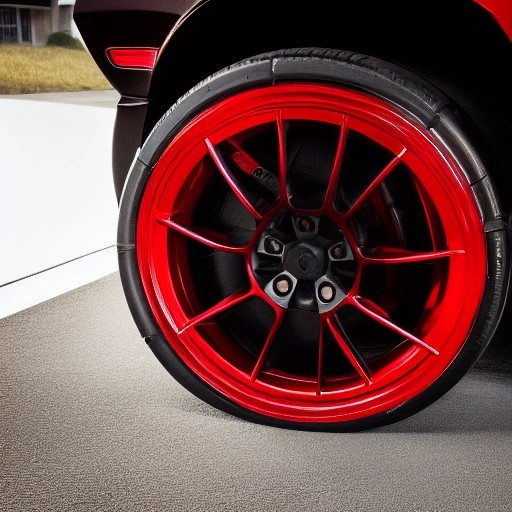
The core of the upgrade is a switch to massive 20×11-inch wheels and Pirelli® P Zero® tires that are a full 305mm wide. This extra tire patch on the road translates directly to more grip, both in a straight line and when cornering. Dodge states that the increased rubber can improve lateral grip significantly, with Widebody models pulling nearly 1.0 g on the skidpad.
For the R/T Scat Pack, the Widebody Package bundles essential hardware to manage that grip, including a six-piston front and four-piston rear Brembo Performance Brake system and an Adaptive Damping Suspension. These aren’t just for show; they provide the stopping power and body control needed to exploit the extra traction safely and effectively.
The Performance Verdict: By the Numbers
Does the extra width and tire translate to a faster car? Objectively, yes—especially in specific scenarios.
Dodge has published performance data showing a clear advantage for the Widebody. According to manufacturer testing on a 2.1-mile road course, a Scat Pack Widebody was 1.3 seconds quicker per lap than its standard-body sibling. For the more powerful Hellcat models, the Widebody advantage was an even more substantial 2.1 seconds. This demonstrates a decisive edge in handling and high-speed cornering stability.
In a straight line, the benefits are about launch and control. The wider tires provide a larger contact patch to put down the immense torque of the HEMI® V8 engines, reducing wheelspin and making hard launches more consistent. As one forum member put it, the Widebody will be “quicker” off the line due to better grip, though the more aerodynamic standard body might theoretically have a higher top speed.
Real-World Impact: Daily Driving vs. Weekend Thrills
Here’s where your personal use case becomes paramount. The differences extend far beyond the spec sheet.
For the Performance Enthusiast:
If your driving involves track days, canyon roads, or you simply crave the most planted and confident feel possible, the Widebody is the definitive choice. The Adaptive Damping Suspension helps manage ride quality, but the Widebody’s mission is clear: maximum capability. The enhanced grip and braking inspire confidence when pushing the car’s limits.
For the Daily Driver & Traditionalist:
The standard body Challenger offers its own compelling virtues. Its narrower width makes it easier to maneuver in tight spaces, park in standard-sized spots, and navigate through city traffic. Reviewers note that the standard Challenger already offers a surprisingly comfortable and compliant ride for a muscle car, making it a solid long-distance cruiser. Its classic, cleaner lines also hew closer to the original 1970s muscle car aesthetic that many purists adore.
Always use performance features responsibly and follow local driving laws. The increased capability of a Widebody model demands respect and skill, especially in wet or low-traction conditions.
Side-by-Side Comparison
| Feature | Dodge Challenger (Standard Body) | Dodge Challenger (Widebody Package) |
|---|---|---|
| Body & Stance | Traditional muscle car width; cleaner fender lines. | Aggressive fender flares; adds 3.5 inches of total width. |
| Wheels & Tires | Up to 20×9.5 or 20×10-inch wheels with 275mm tires. | 20×11-inch wheels with 305mm-wide Pirelli P Zero tires. |
| Key Performance Upgrades | Varies by trim. Brembo brakes often optional. | Includes wide tires, upgraded Brembo brakes, & Adaptive Damping Suspension (on Scat Pack). |
| Primary Advantage | Easier daily usability, lighter weight, classic look, lower cost. | Superior grip for acceleration, cornering, and braking; track-focused. |
| Considerations | Can struggle to put down power from higher-output V8s. | Increased cost, harder to park, potentially noisier tires, more expensive tire replacements. |
So, Is the Extra Width Worth It?
The answer lies in your right foot and your garage. The Widebody Package is a serious performance upgrade, not a cosmetic package. The tangible improvements in grip, braking, and lap times prove its worth for the driver who intends to use that performance regularly.
If your Challenger dream is about cruising with presence, enjoying the V8 burble on the highway, and having a usable daily driver, the standard body is an excellent—and still very potent—choice. You sacrifice the last fraction of performance for greater practicality and a slightly lower cost of entry.
However, if you buy a Challenger with the intent of exploring its limits, if the thought of extra grip for launching or cornering excites you, then the Widebody is an investment in capability you will feel every time you drive. As one automotive journalist summarized the Widebody’s effect: “It turns the Challenger from a straight-line specialist into a more balanced performance machine.”
Do you value the aggressive look and maximum grip, or is the classic profile and daily ease more your style? Share your take in the comments below.
FAQ: Challenger Widebody vs. Standard
What models can you get with the Widebody Package?
It was available on the high-performance V8 trims: the R/T Scat Pack, the SRT Hellcat, and the SRT Hellcat Redeye.
Is the Widebody actually faster in a straight line?
It’s typically quicker off the line and in the quarter-mile due to dramatically improved traction from the wider tires, reducing wheelspin.
Does the Widebody handle better?
Yes, significantly. The wider tires provide much higher lateral grip, and the package often includes suspension upgrades, leading to faster lap times.
Is the Widebody harder to live with daily?
It can be. The extra width makes parking and navigating tight spaces more challenging, and the performance tires may wear faster and produce more road noise.
How much wider is the Widebody Challenger?
The fender flares add approximately 3.5 inches to the car’s total width compared to the standard-body model.
Can you add Widebody fenders to a standard Challenger?
While aftermarket kits exist, replicating the full factory package (correct wheels, suspension tuning, brakes) is complex and costly. The factory-integrated option is engineered as a complete system.
Was the Widebody worth the extra cost?
For drivers who regularly exploited the extra grip on track or during spirited driving, yes. For those who primarily enjoyed the car on the street, the standard body often provided more than enough performance with greater ease of use.